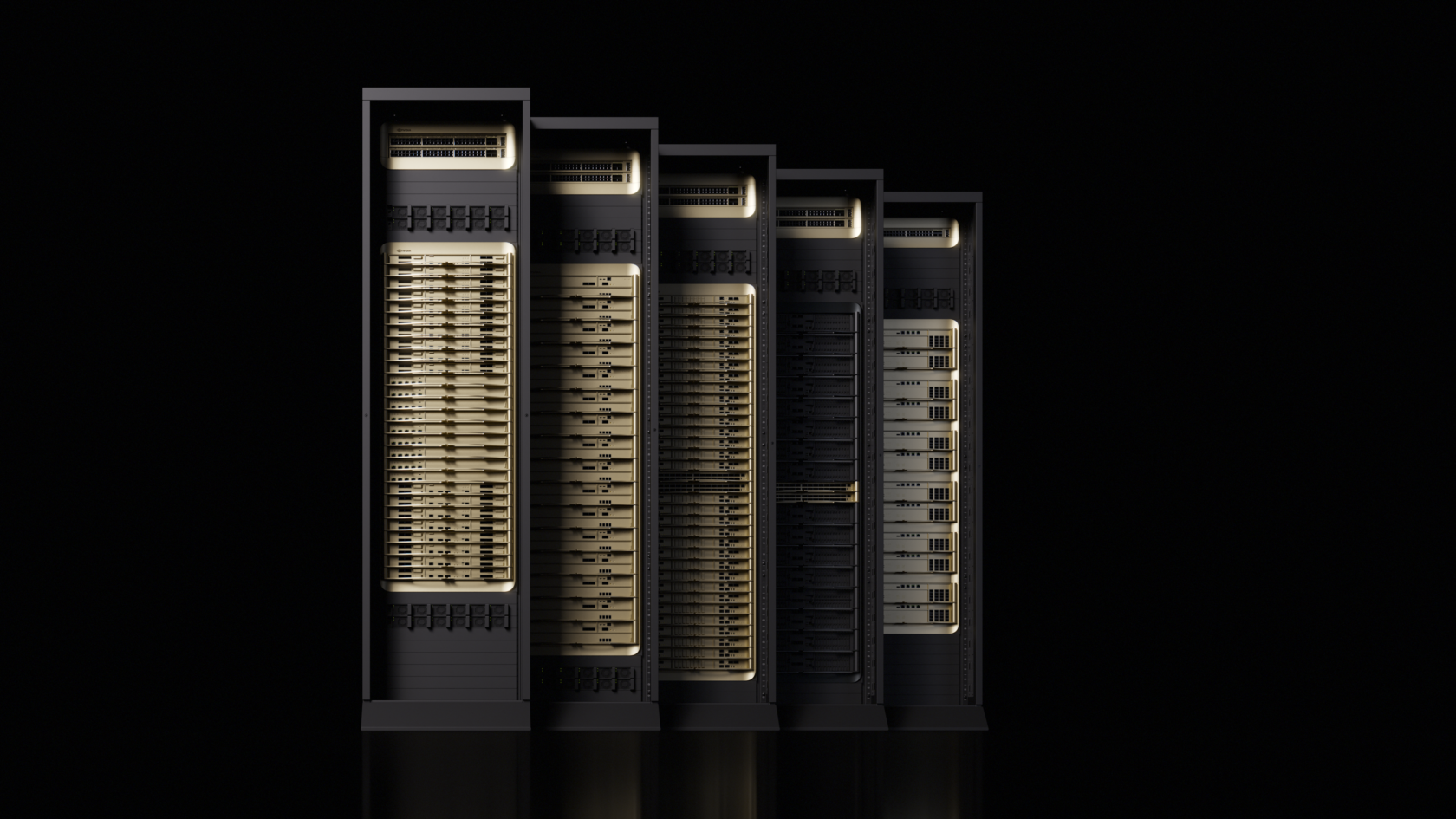
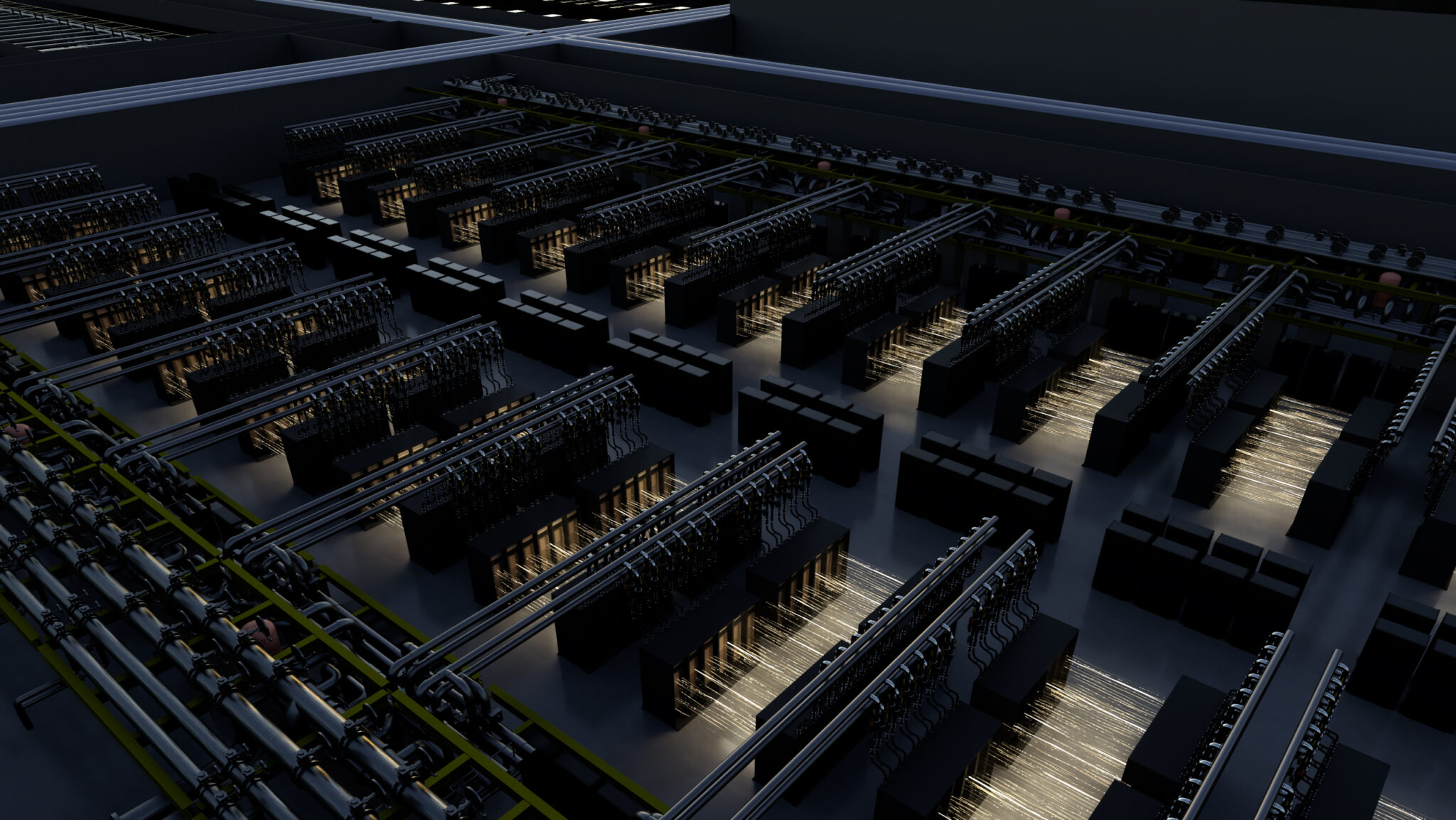
To generate intelligence at scale, AI factories run continuously, and their economics are defined by delivered output: tokens per second, tokens per watt, cost per token, utilization and uptime. That requires AI infrastructure designed and built as a full factory, not a collection of individual accelerators.
To generate intelligence at scale, AI factories run continuously, and their economics are defined by delivered output: tokens per second, tokens per watt, cost per token, utilization and uptime. That requires AI infrastructure designed and built as a full factory, not a collection of individual accelerators.
The card
- Industry: Manufatura — Planta, calidad y mantenimiento: visión, predicción y control de proceso.
- Source: NVIDIA Blog
- Published: 24/08/2026
Read the full case at the source →
Excerpt from the original publisher, selected automatically. The full text belongs to its publisher and is linked above.
How I read this case
On the plant floor AI competes with something that already works: the eye of somebody with twenty years on the job. The cases that prosper do not replace that eye, they take the repetitive part off it and leave the exceptions. And the hard work was rarely the model — it was instrumenting the line to get the data.
The three questions
- What it cost to instrument the line before the model was worth anything.
- What the operator does when the system flags a defect: stop the line, or notify?
- Whether the saving is in quality, in avoided downtime, or both.
This commentary is my own and does not belong to the cited publisher.
Are you trying something similar?
Open the chat and tell me where you are. I am interested in comparing notes, no sales agenda.