AWS Introduces Specification Driven Composition for Flexible Data Workflows
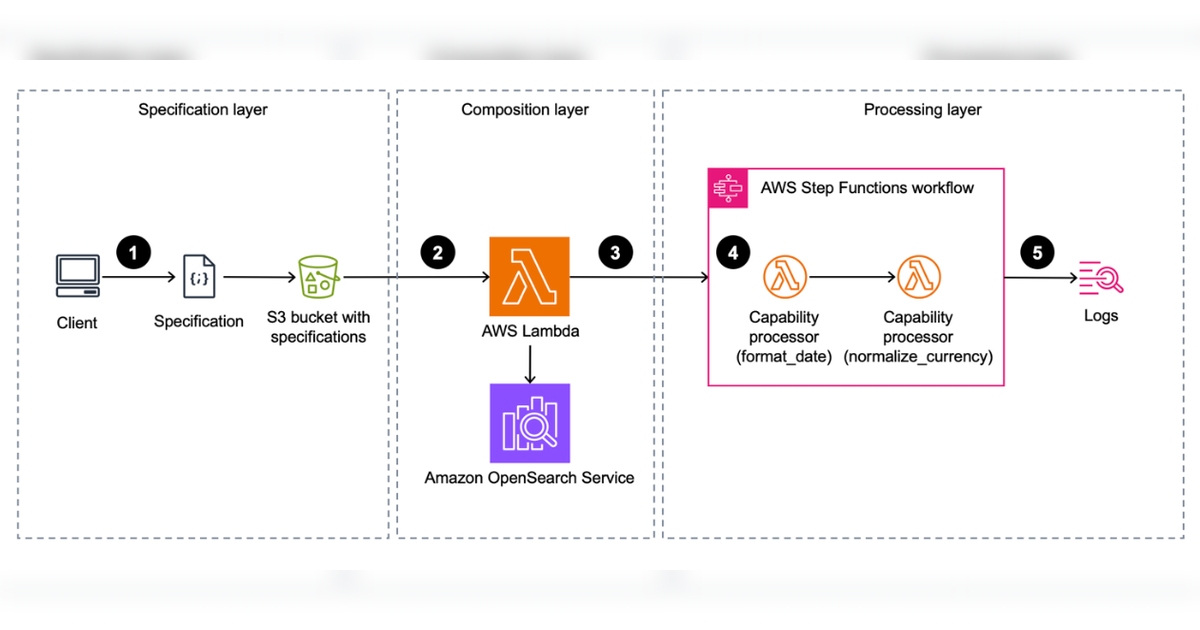
AWS describes a specification-driven approach for composing flexible data workflows by separating intent from processing logic. Architecture uses declarative specifications, reusable processing capabilities, and validation before execution.
AWS describes a specification-driven approach for composing flexible data workflows by separating intent from processing logic. Architecture uses declarative specifications, reusable processing capabilities, and validation before execution.
In context
- Topic: Cloud y Arquitectura — Nube pública, híbrida, costos y decisiones de infraestructura.
- Source: InfoQ
- Published: 26/08/2026
Continue reading at the original source →
Excerpt published automatically by the site radar. The full text belongs to its publisher and is linked above.
Why it matters
After a few years, nearly every organisation that migrated discovers the same thing: the bill grows faster than the business. Not because the cloud is expensive, but because nobody switches off what is no longer used and nobody has the incentive to check.
I separate what moves for cost from what moves for capability. Migrating to save money almost never works; migrating to be able to do something you could not do before does. When the argument is only savings, it is worth checking the numbers again because they are usually incomplete.
What usually goes wrong
What I see fail most is the literal migration. The system gets moved exactly as it was, nothing redesigned, and you end up paying hourly for what used to be paid once. It works the same, costs more, and two years later somebody asks why it was done. Lift and shift is not modernising.
What to watch
- What happens when the provider has an outage, because it will, and what keeps running meanwhile.
- Three-year total cost with real growth, not the first-year promotion.
- How hard it would be to leave or move a piece to another provider, which is future negotiating power.
How I read this entry
If this fed into an infrastructure decision, I would ask for the three-year total cost with real growth built in, not year one with the entry discount. Most cloud surprises live in year two, when the discount ends and the volume has already gone up.
This entry is an excerpt from the original source, selected by the site radar. The commentary above is the site's own and does not belong to the cited publisher.
Living through this in your own team?
Open the chat and tell me how you're handling it. I'm interested in comparing notes.