Culver’s taps Armada to revamp supply chain, targets expansion
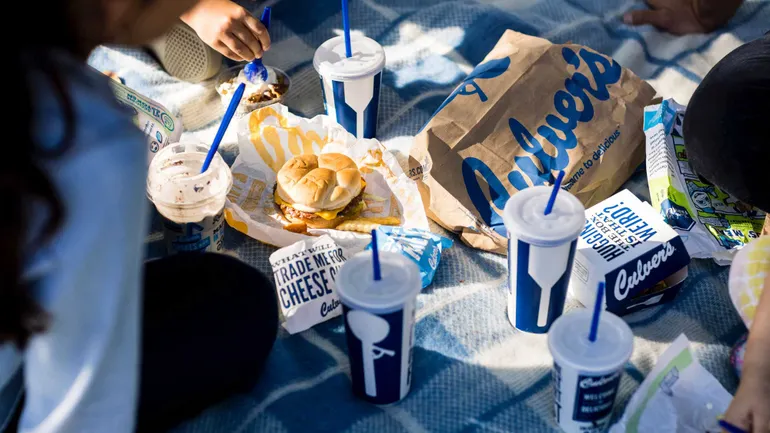
The restaurant chain is pooling slower-moving inventory to up transportation efficiency as its growth plan advances.
The restaurant chain is pooling slower-moving inventory to up transportation efficiency as its growth plan advances.
Esta entrada es un extracto. La nota completa está en Supply Chain Dive.
Why it matters
Supply chain stopped being a cost topic and became a continuity topic. After the last few years, the question in committees is no longer how much I save by buying there, but what I do if tomorrow I cannot buy there at all.
I separate the information problem from the decision problem. Often the data was available and nobody had authority to act without escalating three levels. Putting a system on top of that only makes the delay better documented.
What usually goes wrong
Where it usually breaks is inventory data quality. The system says one figure and the warehouse holds another, and everything gets planned on that difference. No visibility project helps if the starting number is wrong; it only makes the error travel faster and reach further.
What to watch
- Which decisions can be made with the information available and who has authority to make them.
- How it hits transport costs and lead times, which move fast in this region.
- Where the concentration sits: one supplier, one route or one port with no replacement.
How I read this entry
If this touched an operation I know, the first thing I would build is the map of critical dependencies: which inputs have no second source and how long inventory lasts if supply is cut. It is a two-week exercise and it completely changes the risk conversation with the board.
This entry is an excerpt from the original source, selected by the site radar. The commentary above is the site's own and does not belong to the cited publisher.
Living through this in your own team?
Open the chat and tell me how you're handling it. I'm interested in comparing notes.