Need a low-cost, high-performance way to run long-lived, stateful workloads such as AI agents? Today, we introduced Cloud Run instances, which let you do just that. Consider AI agents such as OpenClaw or Hermes, which are intended for individual developers or personal use.
Need a low-cost, high-performance way to run long-lived, stateful workloads such as AI agents? Today, we introduced Cloud Run instances, which let you do just that. Consider AI agents such as OpenClaw or Hermes, which are intended for individual developers or personal use.
Cloud Run services scale to zero when requests stop, so they aren’t ideal for a long-lived agent that expects exactly one copy to be running continuously. On the other hand, the alternative — running a dedicated VM — means paying for full compute 24/7, managing operating system updates, opening firewall ports, and provisioning your own HTTPS endpoints.
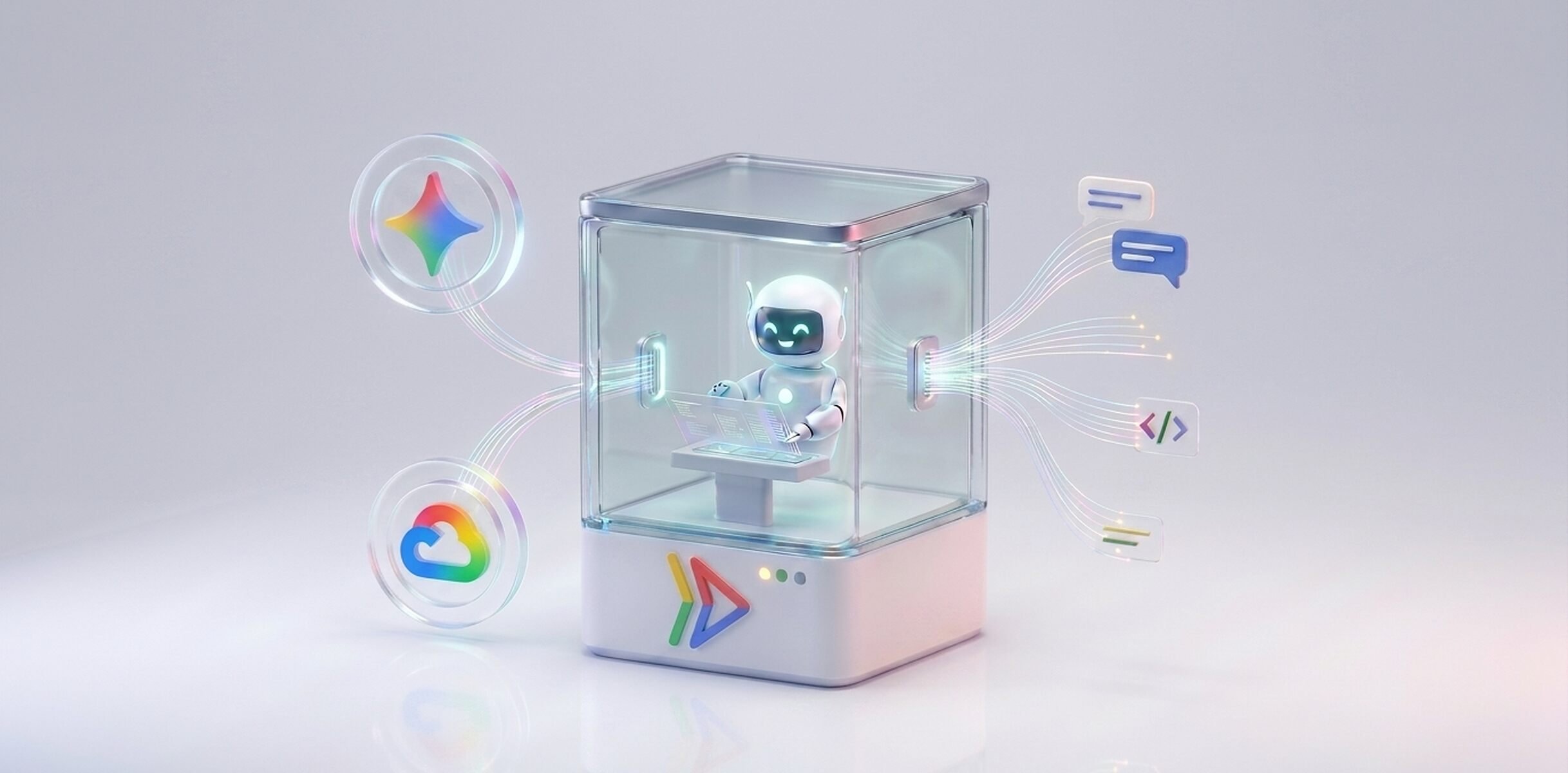
Cloud Run instances provide dedicated, singleton compute runtimes on Cloud Run. They have the following attributes:
Up to 7-day continuous runtime, with automatic restart policy configured by default
Every instance gets a HTTPS URL that remains unchanged across updates and restarts.
You can stop each instance when you aren't using it and resume it whenever you need it
In context
- Topic: Cloud y Arquitectura — Nube pública, híbrida, costos y decisiones de infraestructura.
- Source: Google Cloud Blog
- Published: 27/08/2026
Continue reading at the original source →
Excerpt published automatically by the site radar. The full text belongs to its publisher and is linked above.
Why it matters
The cloud stopped being a technical decision a long time ago. Today it is a financial decision with technical consequences: capital investment gets swapped for monthly spend, and that swap suits some companies very well and others very badly.
I separate what moves for cost from what moves for capability. Migrating to save money almost never works; migrating to be able to do something you could not do before does. When the argument is only savings, it is worth checking the numbers again because they are usually incomplete.
What usually goes wrong
What I see fail most is the literal migration. The system gets moved exactly as it was, nothing redesigned, and you end up paying hourly for what used to be paid once. It works the same, costs more, and two years later somebody asks why it was done. Lift and shift is not modernising.
What to watch
- Three-year total cost with real growth, not the first-year promotion.
- How hard it would be to leave or move a piece to another provider, which is future negotiating power.
- Who sees the bill and in what detail: with no owner for the spend, the spend grows on its own.
How I read this entry
I would read it thinking about the exit before the entry. Not because anyone plans to leave, but because the conversation about how you would leave is the one that reveals how much you are locking in. If nobody at the table can describe that path, the dependency is already deeper than they think.
This entry is an excerpt from the original source, selected by the site radar. The commentary above is the site's own and does not belong to the cited publisher.
Living through this in your own team?
Open the chat and tell me how you're handling it. I'm interested in comparing notes.