AI agents are the ultimate insiders. We grant them permission to read emails, query databases, and trigger API calls. They don’t just retrieve information, they take action. Agents offer incredible potential for increased productivity and better customer experiences, but they also come with new security concerns.
AI agents are the ultimate insiders. We grant them permission to read emails, query databases, and trigger API calls. They don’t just retrieve information, they take action. Agents offer incredible potential for increased productivity and better customer experiences, but they also come with new security concerns.
While there’s still a crucial role for traditional security tools, the threat model has fundamentally changed. Autonomous workflows have redefined enterprise risk, so it's crucial that we give agents the access they need without compromising security.
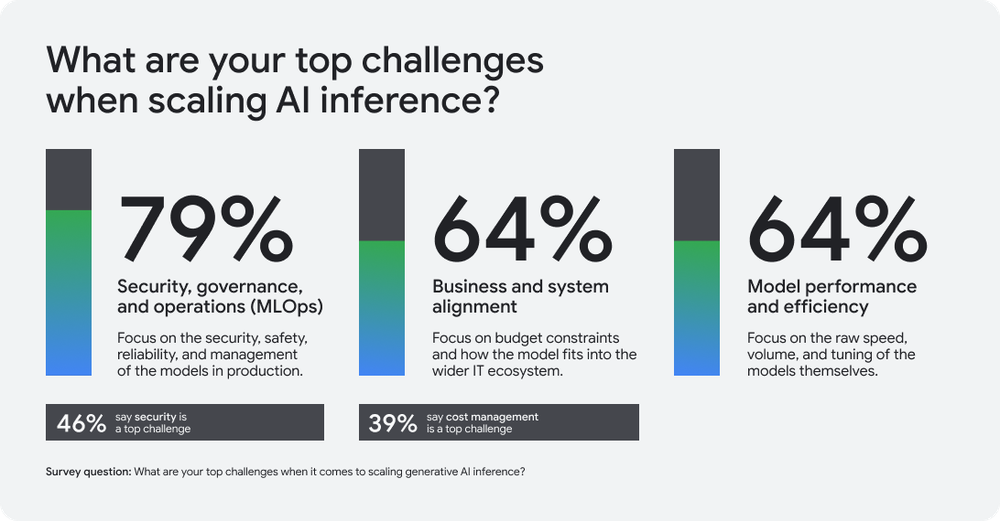
The agentic paradoxThe path to success starts with viewing governance as a driver for innovation. To be useful and secure, an agent needs access — and also guardrails. Yet 35% of senior IT decision makers cite insufficient security for multi-system access as a primary issue preventing agentic deployment.
Agents expand the surface area that defenders need to protect, and can introduce new threats, including tool poisoning and indirect prompt injection, where an attacker can hijack an agent’s logic through the data it processes. Managing the dynamic permissions that agents need to succeed at their tasks can also be a significant challenge, particularly as legacy security wasn’t designed for today’s automated threats.
Securing the chain of thoughtAlong with securing more identity and access issues, it’s important for defenders to secure both the network layer and the model.
Security leaders are increasingly shifting their focus from preventing breaches to verifying provenance to guard against misuse, including indirect prompt injection.
In context
- Topic: Cloud y Arquitectura — Nube pública, híbrida, costos y decisiones de infraestructura.
- Source: Google Cloud Blog
- Published: 24/08/2026
Continue reading at the original source →
Excerpt published automatically by the site radar. The full text belongs to its publisher and is linked above.
Why it matters
In security the story is rarely the attack. It is the time between the intrusion and somebody noticing. That number says more about an organisation than any certificate hanging on the reception wall.
I separate technical risk from business risk, because they do not always match. A critical vulnerability in an isolated system matters less than a medium one in the system that issues invoices. Prioritising by severity without looking at where the money is is an expensive way to work hard and protect little.
What usually goes wrong
Where it usually breaks is response, not prevention. There are tools, there are alerts, and when something real happens nobody knows who decides to disconnect, who gets called first, or what the customer is told. Valuable hours get lost arguing about that while the problem grows.
What to watch
- Whether third parties or suppliers were in the chain, because the perimeter now includes partners.
- How long it took to detect, usually the most revealing metric in the whole case.
- Whether initial access came from a legitimate account handled badly, which is the most frequent pattern.
How I read this entry
I would use it for a conversation with the board, not with the technical team. The question you must be able to answer there is how long the business can operate without its systems and what each day of that outage costs. With that number, the security budget gets discussed differently.
This entry is an excerpt from the original source, selected by the site radar. The commentary above is the site's own and does not belong to the cited publisher.
Living through this in your own team?
Open the chat and tell me how you're handling it. I'm interested in comparing notes.