
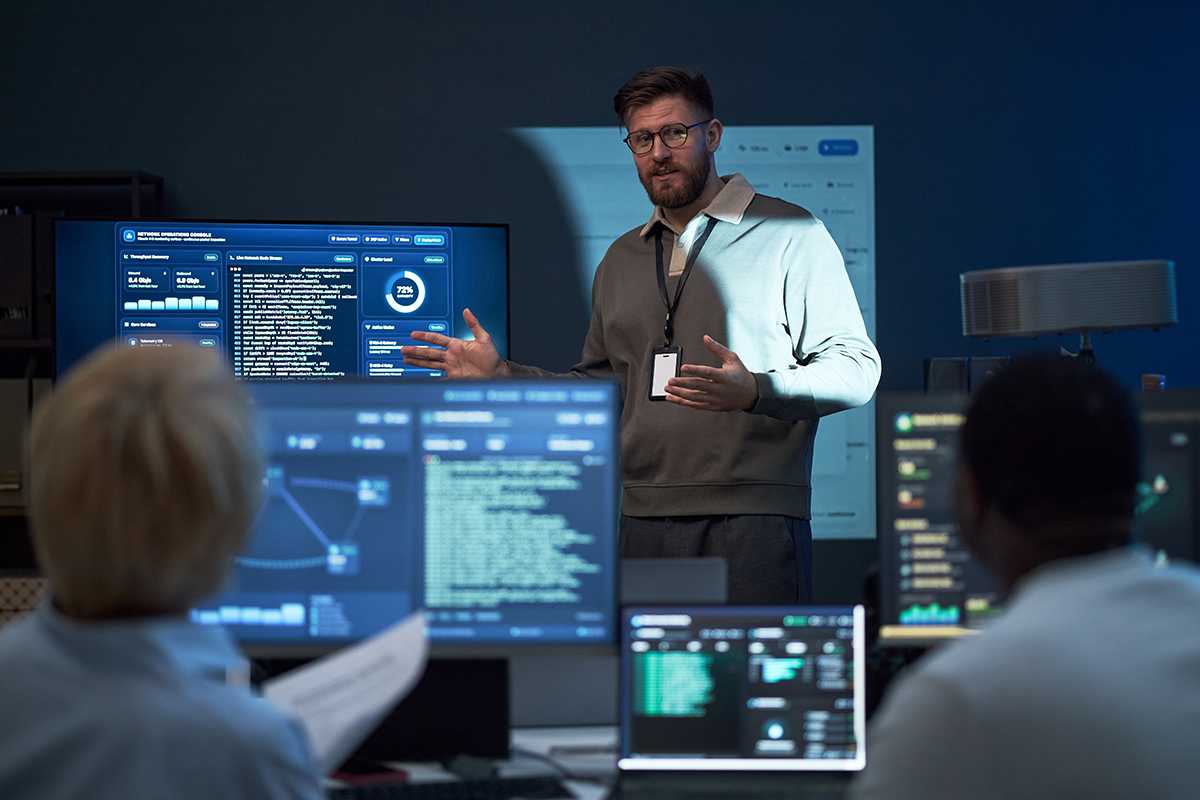
AI-powered attacks are becoming faster and more automated, putting pressure on security teams that still investigate alerts sequentially. At RSAC 2026, Arctic Wolf introduced the Aurora® Superintelligence Platform and Aurora® Agentic SOC, shifting from a human-led Security Operations Centre (SOC) to an agent-led model…
AI-powered attacks are becoming faster and more automated, putting pressure on security teams that still investigate alerts sequentially. At RSAC 2026, Arctic Wolf introduced the Aurora® Superintelligence Platform and Aurora® Agentic SOC, shifting from a human-led Security Operations Centre (SOC) to an agent-led model…
Here’s how these solutions are changing security operations.
Aurora’s Swarm of Experts uses hundreds of specialised AI agents rather than a single general-purpose model. Each agent is trained for a specific SOC function, such as triage, investigation, response or threat hunting.
Because each agent performs a defined task, it’s easier to test and validate, delivering more consistent AI-driven decisions.
Oversight Agents coordinate the swarm, while Process Agents automate repetitive tasks, allowing specialised agents to focus on their area of expertise.
Traditional SOCs investigate incidents in sequence. Alerts move from Tier 1 to Tier 2 to Tier 3, creating delays while attackers continue moving through the environment. The Aurora Agentic SOC runs SOC functions simultaneously. AI agents investigate, correlate evidence, and begin responding immediately, without waiting for the next analyst.
In context
- Topic: Ciberseguridad — Riesgo, identidad, respuesta a incidentes y cumplimiento.
- Source: CIO
- Published: 26/08/2026
Continue reading at the original source →
Excerpt published automatically by the site radar. The full text belongs to its publisher and is linked above.
Por qué importa
La mayoría de los incidentes que terminan siendo caros no empezaron con una técnica sofisticada. Empezaron con una cuenta que debió cerrarse cuando alguien renunció, un servidor que nadie sabía que seguía prendido, o un permiso amplio que se dio para salir del paso y quedó.
Mi forma de mirar estos casos es preguntar qué falló en el proceso, no qué falló en la máquina. Detrás de casi todo incidente hay una decisión razonable tomada bajo presión: dar un permiso para desbloquear a alguien, postergar una actualización porque había cierre de mes. Ahí está la lección.
Lo que suele salir mal
Lo que más veo fallar es el respaldo. Está configurado, corre todas las noches, nadie lo revisa. El día que hay que restaurar aparece que llevaba cuatro meses fallando en silencio, o que se respaldaba todo menos justo lo que hacía falta. Un respaldo que no se restauró nunca es una suposición.
Qué mirar
- Si hubo terceros o proveedores en la cadena, porque el perímetro hoy incluye a los socios.
- Cuánto tardaron en detectarlo, que suele ser la métrica más reveladora de todo el caso.
- Si el acceso inicial vino de una cuenta legítima mal manejada, que es el patrón más frecuente.
Cómo leo esta entrada
Lo que yo revisaría esta misma semana son los accesos: cuentas de gente que ya no está, permisos que crecieron sin que nadie los recortara, y credenciales compartidas que todo el mundo jura que no existen. Es el trabajo menos vistoso y el que más ataques corta.
La noticia original está publicada en otro idioma; acá se cita el extracto tal como lo entrega el medio y el comentario se escribe en español.
¿Lo estás viviendo en tu equipo?
Abrí el chat y contame cómo lo están manejando. Me interesa comparar notas.