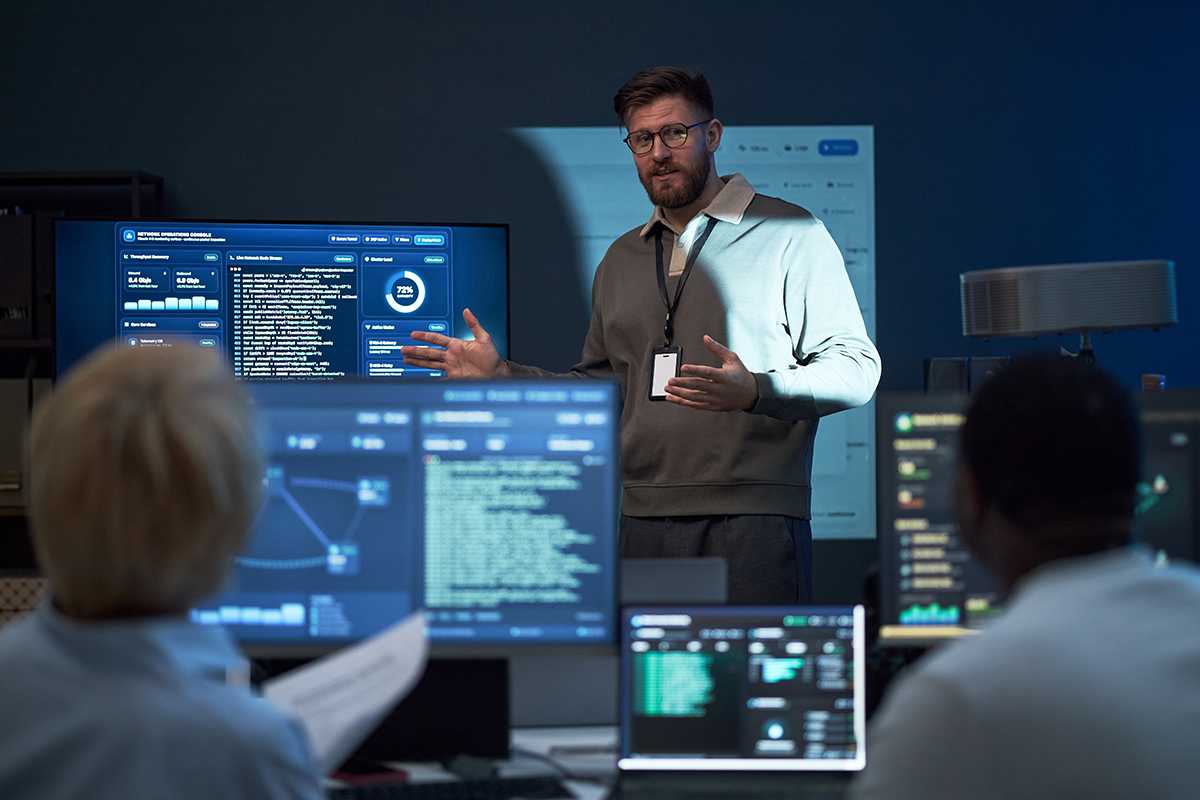
AI-powered attacks are becoming faster and more automated, putting pressure on security teams that still investigate alerts sequentially. At RSAC 2026, Arctic Wolf introduced the Aurora® Superintelligence Platform and Aurora® Agentic SOC, shifting from a human-led Security Operations Centre (SOC) to an agent-led model…
AI-powered attacks are becoming faster and more automated, putting pressure on security teams that still investigate alerts sequentially. At RSAC 2026, Arctic Wolf introduced the Aurora® Superintelligence Platform and Aurora® Agentic SOC, shifting from a human-led Security Operations Centre (SOC) to an agent-led model…
Here’s how these solutions are changing security operations.
Aurora’s Swarm of Experts uses hundreds of specialised AI agents rather than a single general-purpose model. Each agent is trained for a specific SOC function, such as triage, investigation, response or threat hunting.
Because each agent performs a defined task, it’s easier to test and validate, delivering more consistent AI-driven decisions.
Oversight Agents coordinate the swarm, while Process Agents automate repetitive tasks, allowing specialised agents to focus on their area of expertise.
Traditional SOCs investigate incidents in sequence. Alerts move from Tier 1 to Tier 2 to Tier 3, creating delays while attackers continue moving through the environment. The Aurora Agentic SOC runs SOC functions simultaneously. AI agents investigate, correlate evidence, and begin responding immediately, without waiting for the next analyst.
In context
- Topic: Ciberseguridad — Riesgo, identidad, respuesta a incidentes y cumplimiento.
- Source: CIO
- Published: 26/08/2026
Continue reading at the original source →
Excerpt published automatically by the site radar. The full text belongs to its publisher and is linked above.
Por que importa
A maioria dos incidentes que acabam caros não começou com uma técnica sofisticada. Começou com uma conta que deveria ter sido fechada quando alguém pediu demissão, um servidor que ninguém sabia que continuava ligado, ou uma permissão ampla dada para resolver o momento e que ficou.
Minha forma de olhar esses casos é perguntar o que falhou no processo, não o que falhou na máquina. Atrás de quase todo incidente há uma decisão razoável tomada sob pressão: dar uma permissão para desbloquear alguém, adiar uma atualização porque era fechamento de mês. A lição está ali.
O que costuma dar errado
O que mais vejo falhar é o backup. Está configurado, roda toda noite, ninguém revisa. No dia em que é preciso restaurar aparece que estava falhando em silêncio havia quatro meses, ou que se copiava tudo menos justo o que fazia falta. Um backup que nunca foi restaurado é uma suposição.
O que observar
- Se houve terceiros ou fornecedores na cadeia, porque o perímetro hoje inclui os parceiros.
- Quanto tempo levaram para detectar, que costuma ser a métrica mais reveladora do caso inteiro.
- Se o acesso inicial veio de uma conta legítima mal administrada, que é o padrão mais frequente.
Como leio esta publicação
O que eu revisaria nesta mesma semana são os acessos: contas de gente que já saiu, permissões que cresceram sem ninguém cortar e credenciais compartilhadas que todo mundo jura que não existem. É o trabalho menos vistoso e o que mais corta ataques.
A notícia original está publicada em outro idioma; o trecho é citado como o veículo o entrega e o comentário é escrito em português.
Está vivendo isso na sua equipe?
Abra o chat e me conte como estão lidando com isso. Tenho interesse em comparar notas.