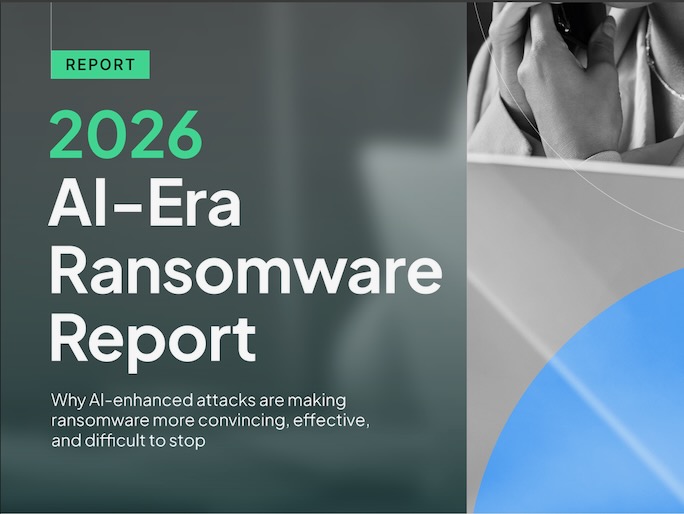
El informe 2026 de Proofpoint revela que la IA aumenta la eficacia del ransomware y convierte la identidad humana en el principal vector de ataque.
El informe 2026 de Proofpoint revela que la IA aumenta la eficacia del ransomware y convierte la identidad humana en el principal vector de ataque.
En contexto
- Tema: Ciberseguridad — Riesgo, identidad, respuesta a incidentes y cumplimiento.
- Fuente: Silicon España
- Publicado: 25/08/2026
Seguir leyendo en la fuente original →
Extracto publicado automáticamente por el radar del sitio. El texto completo pertenece a su medio y se enlaza arriba.
Why it matters
Most incidents that end up being expensive did not start with a sophisticated technique. They started with an account that should have been closed when somebody resigned, a server nobody knew was still on, or a broad permission granted to unblock someone that then stayed forever.
I read it with the same short list as always: second factor on anything that grants access, tested backups kept off the network, and a real inventory of what is exposed to the internet. It is not glamorous, and it still prevents most disasters.
What usually goes wrong
The most expensive blind spot is usually the supplier. The organisation hardens its own perimeter and grants broad access to a third party that has half those controls. A good share of the incidents I have seen in this region came in that way, and the contract said nothing about it.
What to watch
- Whether initial access came from a legitimate account handled badly, which is the most frequent pattern.
- What could be restored and how fast — a backup that was never tested does not count.
- How it was communicated to customers and regulators, which is where reputational cost is decided.
How I read this entry
What I would review this very week is access: accounts belonging to people who left, permissions that grew without anyone trimming them, and shared credentials everybody swears do not exist. It is the least glamorous work and the one that cuts off the most attacks.
The original story is published in another language; the excerpt is quoted as the publisher delivers it and the commentary is written in English.
Living through this in your own team?
Open the chat and tell me how you're handling it. I'm interested in comparing notes.