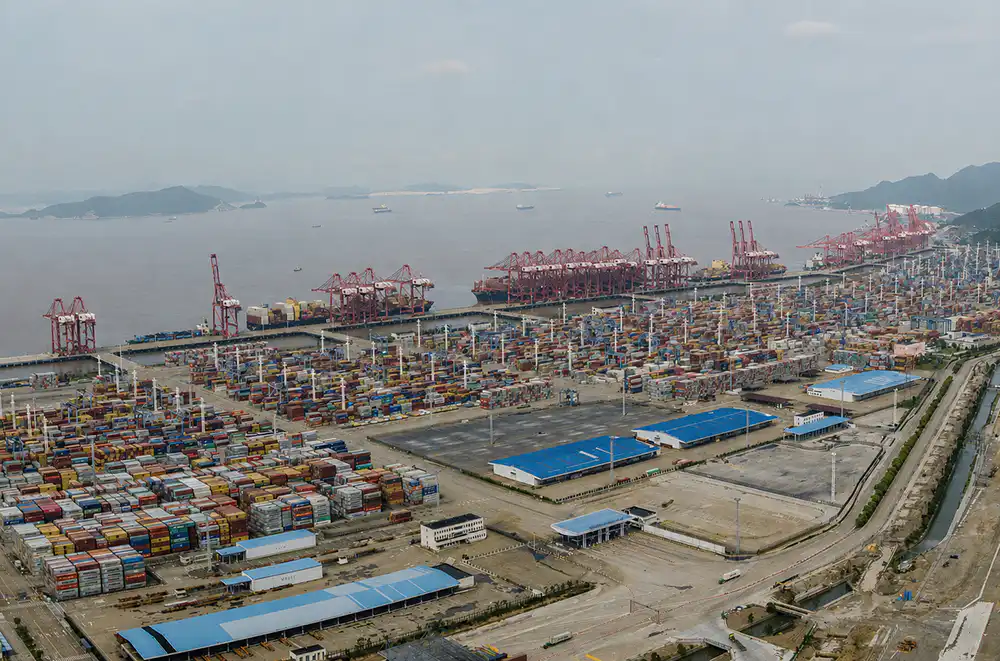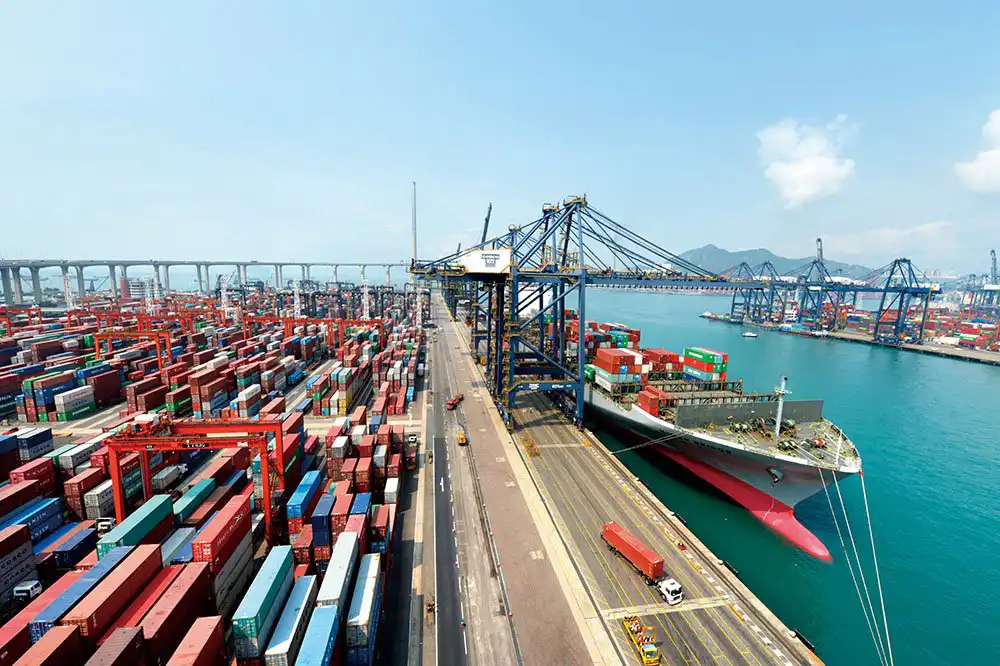
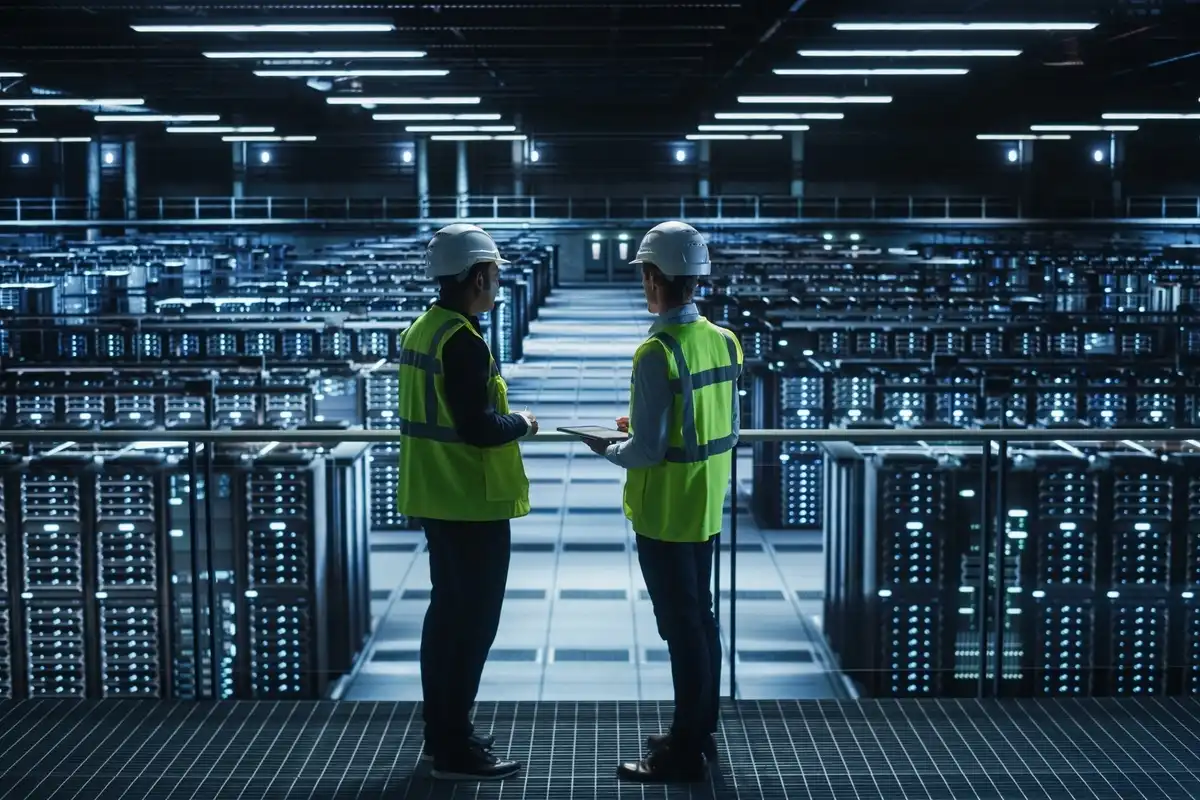
Every decade or so, a new form of infrastructure becomes the thing that separates economies that compound from economies that stagnate. In the 20th century, it was ports, highways and power grids. Right now, it’s compute.
Every decade or so, a new form of infrastructure becomes the thing that separates economies that compound from economies that stagnate. In the 20th century, it was ports, highways and power grids. Right now, it’s compute.
I’ve spent my career designing and building these facilities. Here’s what I see.
When a government announces it’s attracting a hyperscale data center, the press release usually mentions jobs, digital transformation and becoming a regional tech hub. What it rarely mentions is what the country is giving up and what it will need to sustain the facility for the next 20 years.
A large data center — say, 100 megawatts — needs roughly the same power as a small city. It needs that power reliably, 24 hours a day, with redundancy built in so that a grid fluctuation doesn’t take down critical systems. It needs water, often millions of gallons per month, for cooling. It needs fiber connectivity with multiple diverse routes. It needs a construction workforce that understands raised floor systems, precision cooling, high-voltage electrical distribution and fire suppression. And it needs all of this before a single server is installed.
Most developing countries don’t have this. Not yet. And the gap between “we want a data center” and “we can sustain one” is exactly where deals fall apart, projects stall or facilities get built and then underperform.
The United States has roughly 4,000 data center facilities, more than any other country by a wide margin. That number is growing faster than most of the rest of the world combined. The reasons are structural: deregulated power markets in key states, established fiber networks, deep capital markets, a legal system investors trust and decades of operational knowledge in the industry.
In context
- Topic: Cloud y Arquitectura — Nube pública, híbrida, costos y decisiones de infraestructura.
- Source: CIO
- Published: 27/08/2026
Continue reading at the original source →
Excerpt published automatically by the site radar. The full text belongs to its publisher and is linked above.
Por qué importa
Después de unos años, casi toda organización que migró a la nube descubre lo mismo: la factura crece más rápido que el negocio. No porque la nube sea cara, sino porque nadie apaga lo que ya no se usa y nadie tiene el incentivo de revisarlo.
Separo lo que se mueve por costo de lo que se mueve por capacidad. Migrar para ahorrar casi nunca funciona; migrar para poder hacer algo que antes no se podía, sí. Cuando el argumento es solo de ahorro, conviene revisar los números otra vez porque suelen estar incompletos.
Lo que suele salir mal
Donde suele romperse es en las capacidades del equipo. La plataforma es nueva pero la gente aprendió sobre la marcha, sin tiempo y sin acompañamiento. Terminan replicando en la nube las mismas prácticas del centro de datos, con lo cual se pagan precios de nube por beneficios que nunca llegan.
Qué mirar
- Qué tan difícil sería salir o mover una parte a otro proveedor, que es el poder de negociación futuro.
- Quién ve la factura y con qué detalle: sin dueño del gasto, el gasto crece solo.
- Dónde quedan físicamente los datos y qué exige la regulación local sobre eso.
Cómo leo esta entrada
Yo lo leería pensando en la salida antes que en la entrada. No porque uno planee irse, sino porque la conversación de cómo saldría es la que revela cuánto se está amarrando. Si nadie en la mesa puede describir ese camino, la dependencia ya es mayor de lo que se cree.
La noticia original está publicada en otro idioma; acá se cita el extracto tal como lo entrega el medio y el comentario se escribe en español.
¿Lo estás viviendo en tu equipo?
Abrí el chat y contame cómo lo están manejando. Me interesa comparar notas.