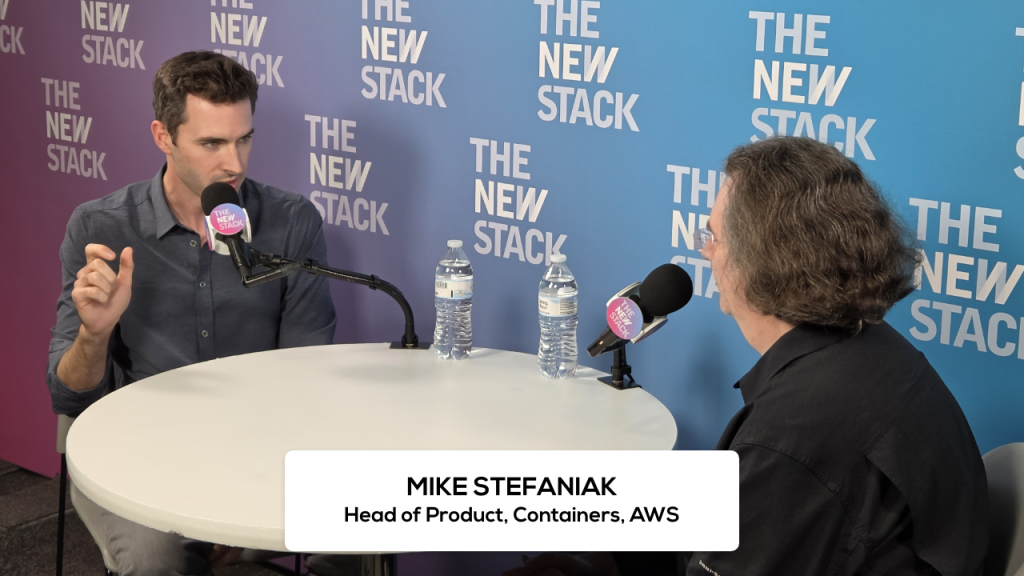
A coding agent has written a script and wants to run it. The script may do exactly what the developer The post AWS Nitro Sandboxes give AI agents a place to run appeared first on The New Stack.
A coding agent has written a script and wants to run it. The script may do exactly what the developer The post AWS Nitro Sandboxes give AI agents a place to run appeared first on The New Stack.
In context
- Topic: Desarrollo de Software — Arquitectura de aplicaciones, prácticas de entrega y calidad.
- Source: The New Stack
- Published: 27/11/2026
Continue reading at the original source →
Excerpt published automatically by the site radar. The full text belongs to its publisher and is linked above.
Why it matters
The software that holds a company up is closer to a building than to a product: somebody built it with the criteria of their time and others will live in it for fifteen years. The engineering stories worth reading are about keeping it habitable, not about opening day.
I read it thinking about handover. Teams rotate, and a system only its author understands is a system with an expiry date. What interests me in these stories is whether they leave behind a practice that outlives the person: living documentation, tests that explain, conventions that hold on their own.
What usually goes wrong
What I see fail most is the half-finished migration. The system starts moving to the new shape, priorities change, and half of it stays on each side. Now you have to understand two architectures to touch anything, and the cost of maintaining that far exceeds whatever was going to be saved.
What to watch
- The cost of operating the new thing, which almost never appears in the initial pitch.
- How knowledge transfers when people rotate, which is when the debt gets collected.
- How long a small change takes to reach production: the most honest health metric a team has.
How I read this entry
I would take from this a conversation about internal standards rather than about technology. What lets a development area scale is not picking the right tool, it is that similar decisions get resolved similarly across teams without having to hold a meeting each time.
This entry is an excerpt from the original source, selected by the site radar. The commentary above is the site's own and does not belong to the cited publisher.
Comments
No comments yet. Yours can be the first.
Living through this in your own team?
Open the chat and tell me how you're handling it. I'm interested in comparing notes.