
BC decreta liquidação da Credipaiva e chega a 18 casos no ano
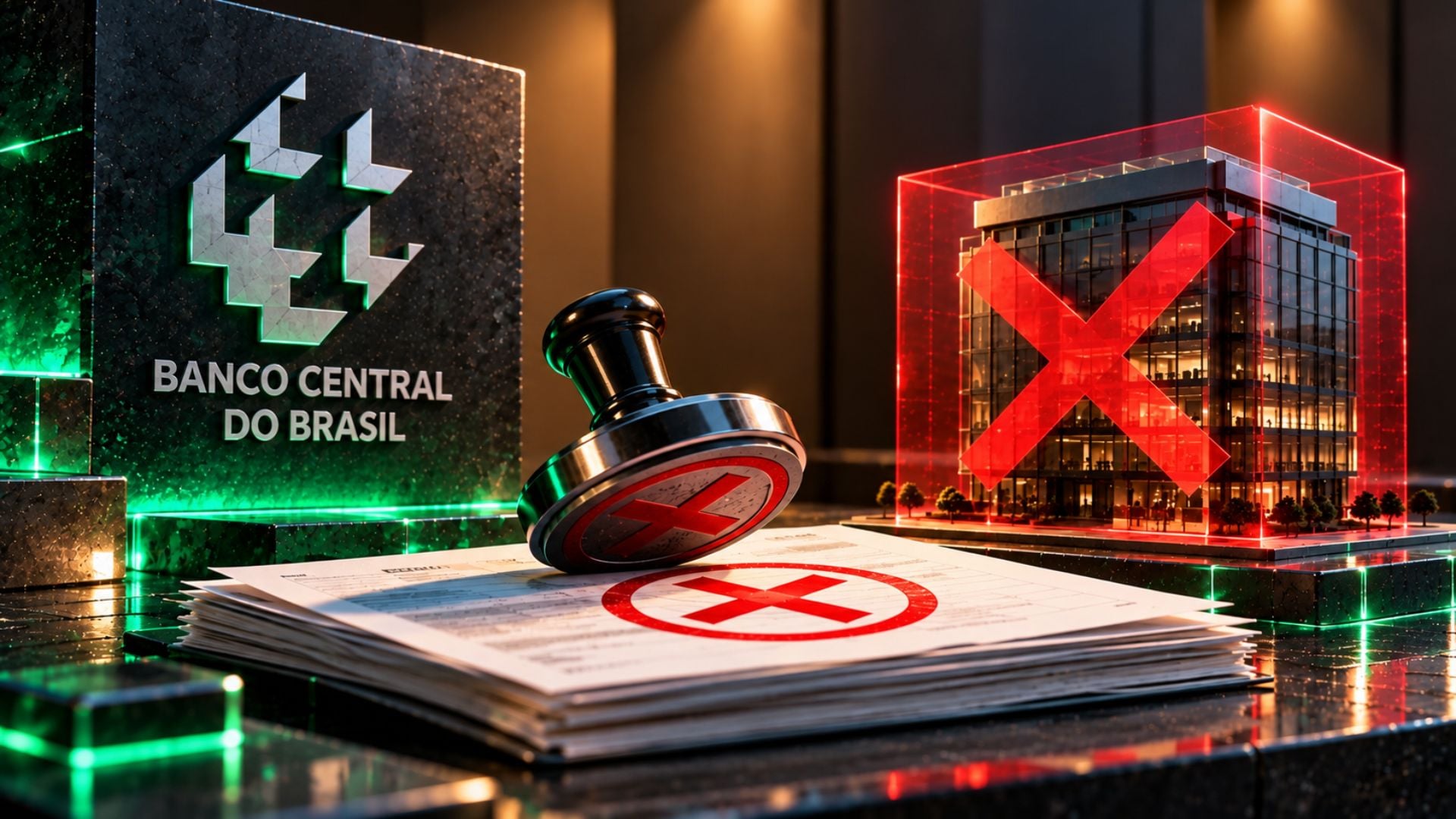
Imagem: Finsiders Brasil | gerada por IA via ChatGPT/OpenAICooperativa mineira tinha participação de 0,000083% nos ativos do Sistema Financeiro Nacional em dezembro de 2025
Imagem: Finsiders Brasil | gerada por IA via ChatGPT/OpenAICooperativa mineira tinha participação de 0,000083% nos ativos do Sistema Financeiro Nacional em dezembro de 2025
Em contexto
- Tema: Inteligencia Artificial — IA aplicada al negocio: casos, límites, costos y gobierno.
- Fonte: Finsiders Brasil
- Publicado: 16/10/2026
Continuar lendo na fonte original →
Trecho publicado automaticamente pelo radar do site. O texto completo pertence ao veículo e está vinculado acima.
Why it matters
Adopting AI in a company is less like buying software and more like hiring someone. You have to teach it the context, review its work at the start, and define what it can sign off alone and what it cannot. The stories worth reading are the ones showing somebody solving that part, not the announcement part.
The first thing I look at is not model capability but the data feeding it. Almost every project I have seen fail did not fail on the algorithm. It failed because the data lived in three systems with three different definitions and nobody wanted to be the one to fix that.
What usually goes wrong
The mistake I have seen repeat most is measuring nothing before starting. It gets deployed, everybody feels things improved, and when somebody asks by how much, there is no answer. Without a baseline there is no way to defend next year's budget, and that is where good projects die.
What to watch
- Which concrete process is touched and how it is measured before and after; with no baseline there is no result, only opinion.
- Who reviews the model outputs and how often — the point at which AI becomes auditable.
- Cost per query at real volume, not pilot volume: the variable that produces the most surprises.
How I read this entry
My practical advice is to fix on day one what happens when the model is wrong: who reviews, how often, and at what point it gets switched off. It sounds defensive, but it is exactly what lets you be aggressive later, because the risk stopped being an unknown.
The original story is published in another language; the excerpt is quoted as the publisher delivers it and the commentary is written in English.
Comments
No comments yet. Yours can be the first.
Living through this in your own team?
Open the chat and tell me how you're handling it. I'm interested in comparing notes.