
Esade refuerza la formación de líderes empresariales en inteligencia artificial
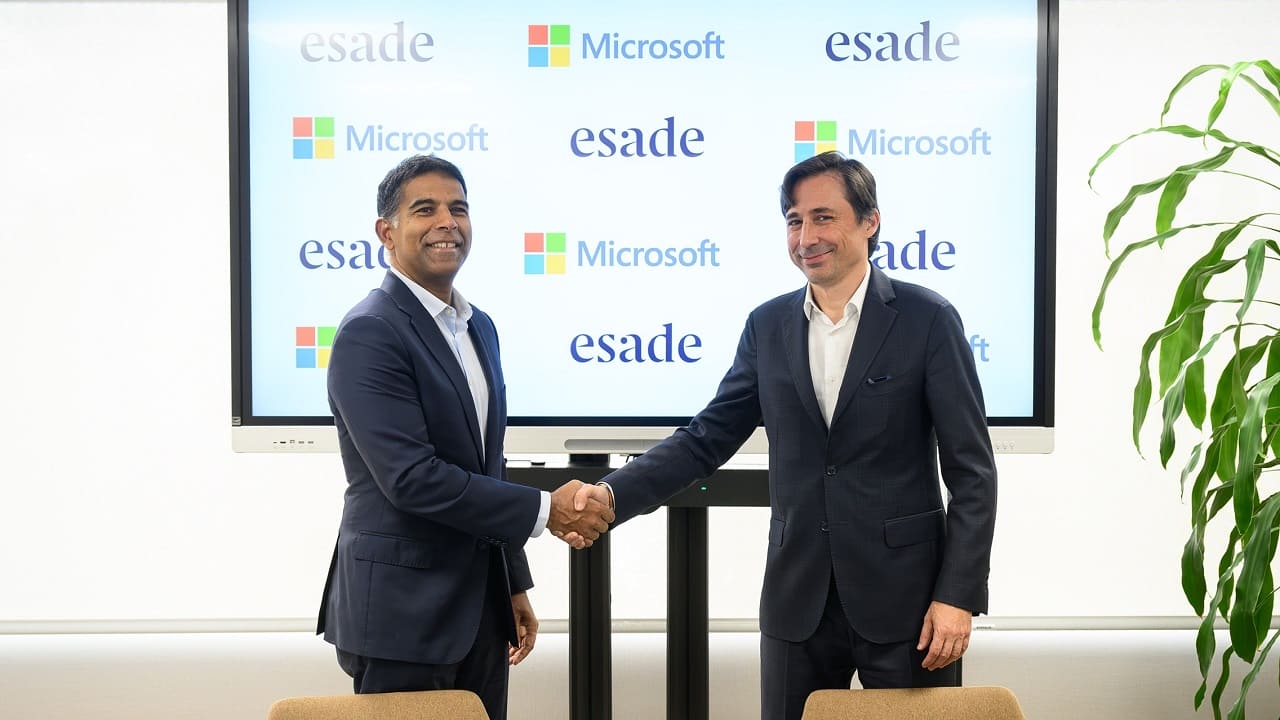
La institución académica alcanza un acuerdo con Microsoft L'articolo Esade refuerza la formación de líderes empresariales en inteligencia artificial proviene da Computing.
La institución académica alcanza un acuerdo con Microsoft L'articolo Esade refuerza la formación de líderes empresariales en inteligencia artificial proviene da Computing.
En contexto
- Tema: Inteligencia Artificial — IA aplicada al negocio: casos, límites, costos y gobierno.
- Fuente: Computing España
- Publicado: 24/11/2026
Seguir leyendo en la fuente original →
Extracto publicado automáticamente por el radar del sitio. El texto completo pertenece a su medio y se enlaza arriba.
Why it matters
Adopting AI in a company is less like buying software and more like hiring someone. You have to teach it the context, review its work at the start, and define what it can sign off alone and what it cannot. The stories worth reading are the ones showing somebody solving that part, not the announcement part.
I measure AI maturity with an uncomfortable question: can anyone explain, in one line, what decision the model makes and who answers if it gets it wrong? Where that is clear, the project moves. Where it is not, it stays in permanent pilot and gets cancelled with the excuse that the technology was not ready.
What usually goes wrong
What I see fail most is the expectation. Somebody saw a flawless demo and asked for the same thing in their area within a month, without considering the demo ran on clean data prepared for the occasion. When the real pilot shows uneven results, the unfair conclusion is that the technology does not work.
What to watch
- Cost per query at real volume, not pilot volume: the variable that produces the most surprises.
- Where the data ends up and under what contract, especially when customer information is involved.
- Whether the organisation can change provider without rebuilding everything, which is the proof it did not get locked in.
How I read this entry
My practical advice is to fix on day one what happens when the model is wrong: who reviews, how often, and at what point it gets switched off. It sounds defensive, but it is exactly what lets you be aggressive later, because the risk stopped being an unknown.
The original story is published in another language; the excerpt is quoted as the publisher delivers it and the commentary is written in English.
Comments
No comments yet. Yours can be the first.
Living through this in your own team?
Open the chat and tell me how you're handling it. I'm interested in comparing notes.


