
FAA ground stop offers IT leaders stark modernization lessons
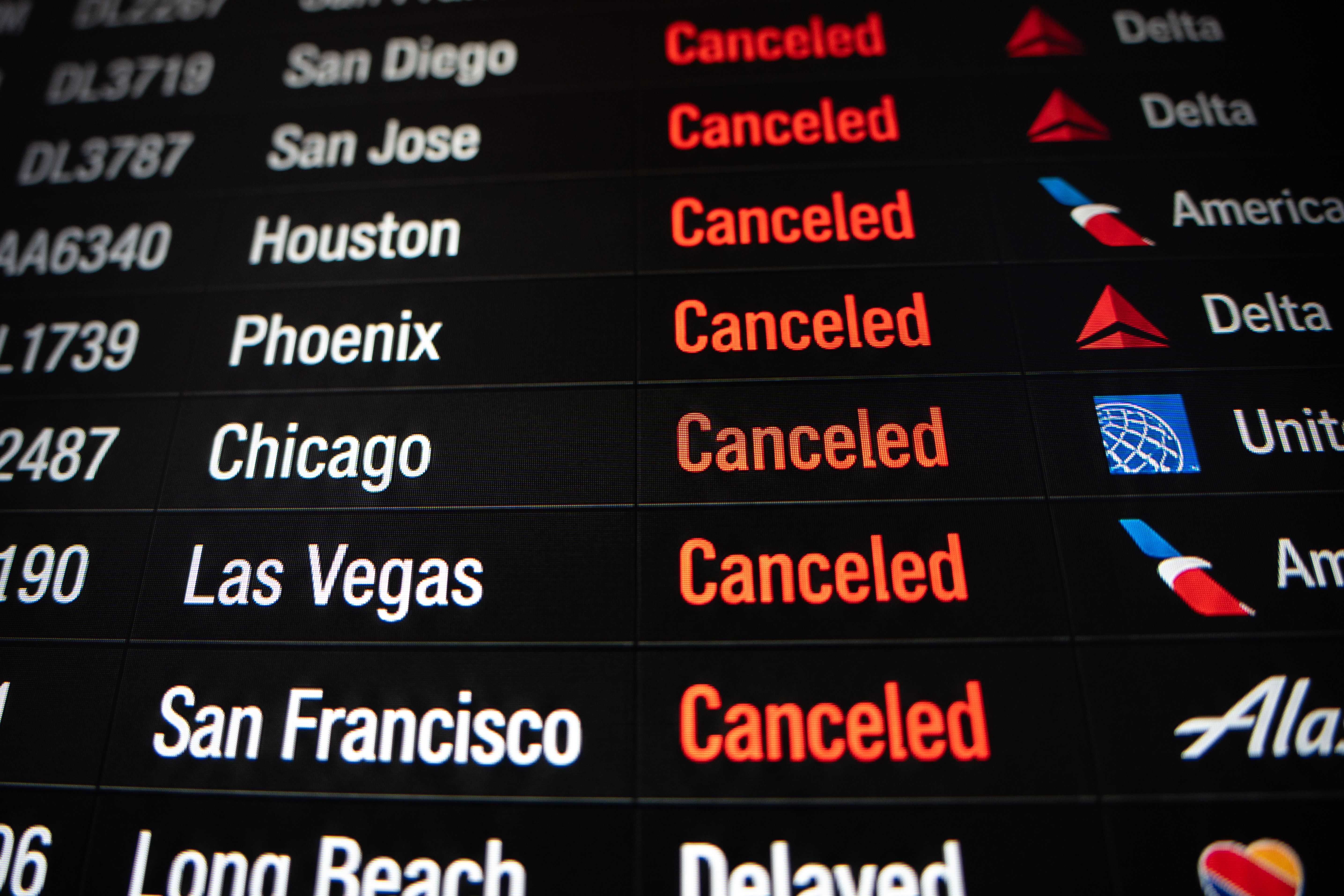
A four-plus-hour halt for all US airline flights on Nov. 13, apparently caused by a botched update of telecom equipment, is a high-profile reminder to IT leaders that modernization effects often don’t go as expected and the impact can be severely consequential.
A four-plus-hour halt for all US airline flights on Nov. 13, apparently caused by a botched update of telecom equipment, is a high-profile reminder to IT leaders that modernization effects often don’t go as expected and the impact can be severely consequential.
Updating any IT or telecom component without a backup system in place can be risky business, as can scheduling updates during peak system use. In the FAA’s case, the ground stop order came just before 4 p.m. Eastern Time, with about 3,500 flights in the air.
“Peak demand is not the time to discover whether a change was effectively tested,” says Michael Jenkins, CTO at cybersecurity provider ThreatLocker. “Unless waiting creates a greater immediate risk, test, stage, and schedule critical updates for a period when the system can tolerate disruption. Base a maintenance window on operational reality, not convenience.”
IT leaders should consider upgrades during times of lower demand, with enough time to validate the change and restore service before activity increases, agrees Alex Perry, a partner at IT research firm ISG.
“The timing should reflect the potential service impact, even when the task itself is routine,” he says. “Even work that is considered routine can have a significant impact when other systems and services depend on the equipment being changed. A remote location does not necessarily mean the impact will stay local.”
Other IT leaders note that there’s never an optimal time for an organization like the FAA to upgrade its network, with flights happening around the clock. In cases like that, especially with always-on critical systems, a more complex risk calculus is needed,
In context
- Topic: Estrategia y Gobierno de TI — Decisiones de portafolio, costo total, gobierno y marcos de referencia.
- Source: CIO
- Published: 19/11/2026
Continue reading at the original source →
Excerpt published automatically by the site radar. The full text belongs to its publisher and is linked above.
Why it matters
There is a wide gap between a company that has technology projects and one that has a technology strategy. The first accumulates initiatives; the second decides what it will not do. Moves like this are usually the moment somebody at the top finally wrote down the list of what gets left out.
I read it looking for coordination cost. Every technology decision splits work across areas that do not report to each other, and that is where the return leaks out. If nobody defined who resolves it when two areas disagree, the project already has its grounding date set.
What usually goes wrong
Where I see this fail most is in the second half of the year. The announcement is made with energy, the team gets assembled, and eight months later the person driving it changed role or company. Without an institutional owner, not just a personal one, the programme fades without anybody formally cancelling it.
What to watch
- How the relationship with current vendors is left, which is usually where the dependency nobody measured is sitting.
- Who ends up owning the decision, and with what budget of their own rather than borrowed.
- Whether business metrics appear or only delivery metrics — cost per transaction beats percentage complete.
How I read this entry
If this landed on my desk, the first thing I would ask for is not a plan. It is an honest inventory of what is already running and what it costs to keep it alive. It almost always turns out that the budget for the new thing comes from switching off something old that nobody wants to name, and that conversation decides whether the project lives.
This entry is an excerpt from the original source, selected by the site radar. The commentary above is the site's own and does not belong to the cited publisher.
Comments
No comments yet. Yours can be the first.
Living through this in your own team?
Open the chat and tell me how you're handling it. I'm interested in comparing notes.


