FAA ground stop offers IT leaders stark modernization lessons
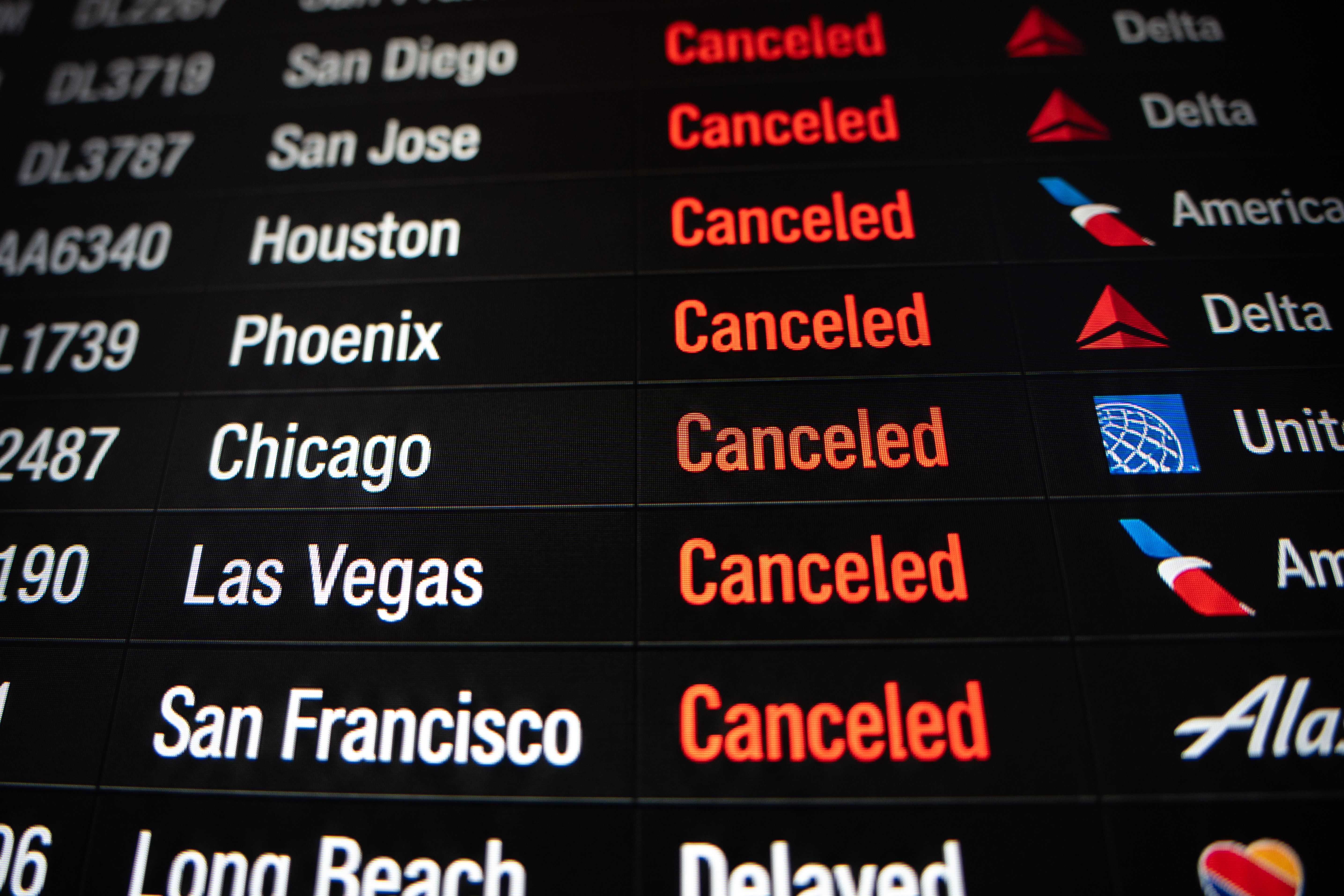
A four-plus-hour halt for all US airline flights on Nov. 13, apparently caused by a botched update of telecom equipment, is a high-profile reminder to IT leaders that modernization effects often don’t go as expected and the impact can be severely consequential.
A four-plus-hour halt for all US airline flights on Nov. 13, apparently caused by a botched update of telecom equipment, is a high-profile reminder to IT leaders that modernization effects often don’t go as expected and the impact can be severely consequential.
Updating any IT or telecom component without a backup system in place can be risky business, as can scheduling updates during peak system use. In the FAA’s case, the ground stop order came just before 4 p.m. Eastern Time, with about 3,500 flights in the air.
“Peak demand is not the time to discover whether a change was effectively tested,” says Michael Jenkins, CTO at cybersecurity provider ThreatLocker. “Unless waiting creates a greater immediate risk, test, stage, and schedule critical updates for a period when the system can tolerate disruption. Base a maintenance window on operational reality, not convenience.”
IT leaders should consider upgrades during times of lower demand, with enough time to validate the change and restore service before activity increases, agrees Alex Perry, a partner at IT research firm ISG.
“The timing should reflect the potential service impact, even when the task itself is routine,” he says. “Even work that is considered routine can have a significant impact when other systems and services depend on the equipment being changed. A remote location does not necessarily mean the impact will stay local.”
Other IT leaders note that there’s never an optimal time for an organization like the FAA to upgrade its network, with flights happening around the clock. In cases like that, especially with always-on critical systems, a more complex risk calculus is needed,
In context
- Topic: Estrategia y Gobierno de TI — Decisiones de portafolio, costo total, gobierno y marcos de referencia.
- Source: CIO
- Published: 19/11/2026
Continue reading at the original source →
Excerpt published automatically by the site radar. The full text belongs to its publisher and is linked above.
Por qué importa
Hay una diferencia enorme entre una compañía que tiene proyectos de tecnología y una que tiene una estrategia de tecnología. La primera acumula iniciativas; la segunda decide cuáles no va a hacer. Movimientos como este casi siempre son el momento en que alguien, arriba, por fin se animó a escribir la lista de lo que se deja fuera.
Lo leo buscando el costo de coordinación. Toda decisión de tecnología reparte trabajo entre áreas que no se reportan entre sí, y ahí es donde se pierde el retorno. Si nadie definió quién resuelve cuando dos áreas no se ponen de acuerdo, el proyecto ya tiene su fecha de encallamiento puesta.
Lo que suele salir mal
Donde más veo fallar esto es en el segundo semestre. El anuncio se hace con energía, se arma el equipo, y a los ocho meses la persona que lo impulsaba cambió de rol o de empresa. Sin un dueño institucional, no solo personal, el programa se apaga sin que nadie lo cancele formalmente.
Qué mirar
- Cómo queda la relación con los proveedores actuales, que es donde suele estar la dependencia que nadie midió.
- Quién queda como dueño de la decisión y con qué presupuesto propio, no prestado.
- Si aparecen métricas de negocio o solo métricas de entrega — costo por transacción manda sobre porcentaje de avance.
Cómo leo esta entrada
Si esto llegara a mi mesa, lo primero que pediría no es un plan: es el inventario honesto de lo que ya está andando y cuánto cuesta sostenerlo. Casi siempre aparece que el presupuesto de lo nuevo sale de apagar algo viejo que nadie quiere nombrar, y esa conversación es la que define si el proyecto vive.
La noticia original está publicada en otro idioma; acá se cita el extracto tal como lo entrega el medio y el comentario se escribe en español.
Comentarios
Todavía no hay comentarios. El primero puede ser el tuyo.
¿Lo estás viviendo en tu equipo?
Abrí el chat y contame cómo lo están manejando. Me interesa comparar notas.