
Jensen Huang volta à NVIDIA após escândalo de espionagem chinesa
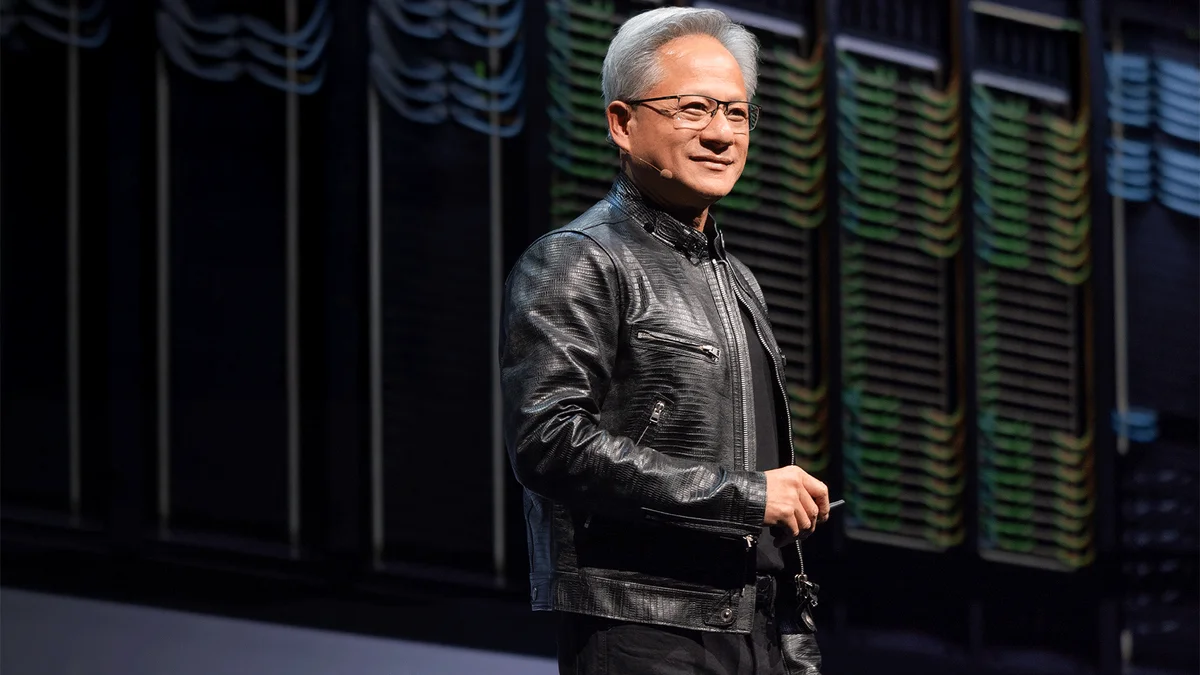
Jensen Huang volta à NVIDIA após escândalo de espionagem chinesaA NVIDIA anunciou nesta segunda-feira (23) que Jensen Huang está de volta ao cargo de CEO e presidente da empresa, 11 dias após sua saída em meio a um escândalo envolvendo um suposto caso de espionagem chinesa.
Jensen Huang volta à NVIDIA após escândalo de espionagem chinesaA NVIDIA anunciou nesta segunda-feira (23) que Jensen Huang está de volta ao cargo de CEO e presidente da empresa, 11 dias após sua saída em meio a um escândalo envolvendo um suposto caso de espionagem chinesa.
Segundo comunicado oficial da fabricante de chips, a reintegração aconteceu após uma série de reuniões entre Huang e os integrantes do conselho. A empresa afirmou que ficou satisfeita com a transparência do executivo e sua capacidade de liderança.
O conselho também informou que consultou integrantes de alto escalão do governo dos Estados Unidos antes de tomar a decisão. Com base nas informações recebidas, a NVIDIA concluiu que o retorno de Huang não representa um risco à segurança nacional do país.
"Acreditamos que Jensen é a pessoa certa para liderar a NVIDIA e que seu retorno atende aos interesses de nossos acionistas, funcionários, parceiros e clientes", afirmou Harvey Jones, presidente do conselho.
O que muda com a volta de Jensen Huang? Com a decisão, Huang reassume os cargos de presidente, CEO e integrante do conselho de administração. Harvey Jones continuará como presidente do conselho, função assumida após a saída do executivo.
Colette Kress, que comandava a NVIDIA interinamente, volta a se concentrar nas funções de diretora financeira. A fabricante agradeceu pelo trabalho da executiva durante o período de transição.
Em contexto
- Tema: Inteligencia Artificial — IA aplicada al negocio: casos, límites, costos y gobierno.
- Fonte: Canaltech
- Publicado: 23/11/2026
Continuar lendo na fonte original →
Trecho publicado automaticamente pelo radar do site. O texto completo pertence ao veículo e está vinculado acima.
Why it matters
Adopting AI in a company is less like buying software and more like hiring someone. You have to teach it the context, review its work at the start, and define what it can sign off alone and what it cannot. The stories worth reading are the ones showing somebody solving that part, not the announcement part.
I always separate two things that get mixed up: the demo and the operation. A demo needs to work once with someone watching. An operation needs to work a thousand times with nobody watching, with odd cases, dirty data, at two in the morning. The gap between the two is where the budget goes.
What usually goes wrong
What I see fail most is the expectation. Somebody saw a flawless demo and asked for the same thing in their area within a month, without considering the demo ran on clean data prepared for the occasion. When the real pilot shows uneven results, the unfair conclusion is that the technology does not work.
What to watch
- Whether the organisation can change provider without rebuilding everything, which is the proof it did not get locked in.
- Which concrete process is touched and how it is measured before and after; with no baseline there is no result, only opinion.
- Who reviews the model outputs and how often — the point at which AI becomes auditable.
How I read this entry
My practical advice is to fix on day one what happens when the model is wrong: who reviews, how often, and at what point it gets switched off. It sounds defensive, but it is exactly what lets you be aggressive later, because the risk stopped being an unknown.
The original story is published in another language; the excerpt is quoted as the publisher delivers it and the commentary is written in English.
Comments
No comments yet. Yours can be the first.
Living through this in your own team?
Open the chat and tell me how you're handling it. I'm interested in comparing notes.


