
Novo Plano Nacional de Logística retoma o desafio histórico da integração modal
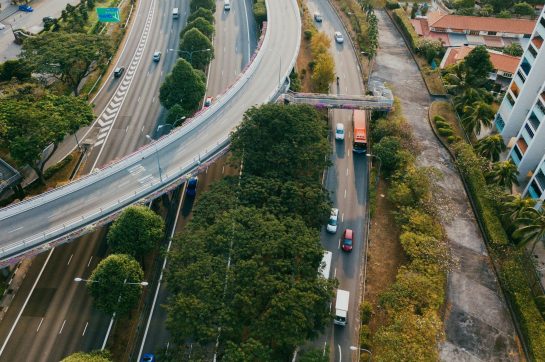
O recém-lançado Plano Nacional de Logística (PNL) 2050 recoloca a integração dos diferentes modais de transporte no centro das prioridades para o desenvolvimento da infraestrutura brasileira nas próximas décadas.
O recém-lançado Plano Nacional de Logística (PNL) 2050 recoloca a integração dos diferentes modais de transporte no centro das prioridades para o desenvolvimento da infraestrutura brasileira nas próximas décadas.
O post Novo Plano Nacional de Logística retoma o desafio histórico da integração modal apareceu primeiro em Portal Logweb.
Em contexto
- Tema: Supply Chain y Logística — Cadena de suministro, distribución, inventarios y visibilidad.
- Fonte: Logweb
- Publicado: 22/09/2026
Continuar lendo na fonte original →
Trecho publicado automaticamente pelo radar do site. O texto completo pertence ao veículo e está vinculado acima.
Why it matters
Panama lives off this, so I read these stories differently: every movement in routes, ports or international trade is felt here before it is felt elsewhere. What is a business-section note in another country is a payroll conversation here.
I read these stories looking for where the concentration sits. One supplier, one route, one port: efficiency always pushes toward concentration and resilience always asks for the opposite. That tension does not get resolved, it gets managed, and you have to decide consciously how much you pay for it.
What usually goes wrong
The frequent mistake is optimising each link separately. Procurement negotiates a better price, production adjusts batch sizes, logistics consolidates shipments, and each hits their target while the whole becomes more fragile. The sum of local efficiencies usually produces a chain that cannot take a hit.
What to watch
- How it hits transport costs and lead times, which move fast in this region.
- Where the concentration sits: one supplier, one route or one port with no replacement.
- How many days of operation inventory covers if that dependency is cut.
How I read this entry
I would use the story to revisit agreements with carriers and operators, which were almost always signed in a different context. Terms that were reasonable three years ago can be the most fragile point in the whole chain today, and nobody has read them since.
The original story is published in another language; the excerpt is quoted as the publisher delivers it and the commentary is written in English.
Comments
No comments yet. Yours can be the first.
Living through this in your own team?
Open the chat and tell me how you're handling it. I'm interested in comparing notes.


