
Pibank Perú, la apuesta cross-sell interna del Banco Pichincha
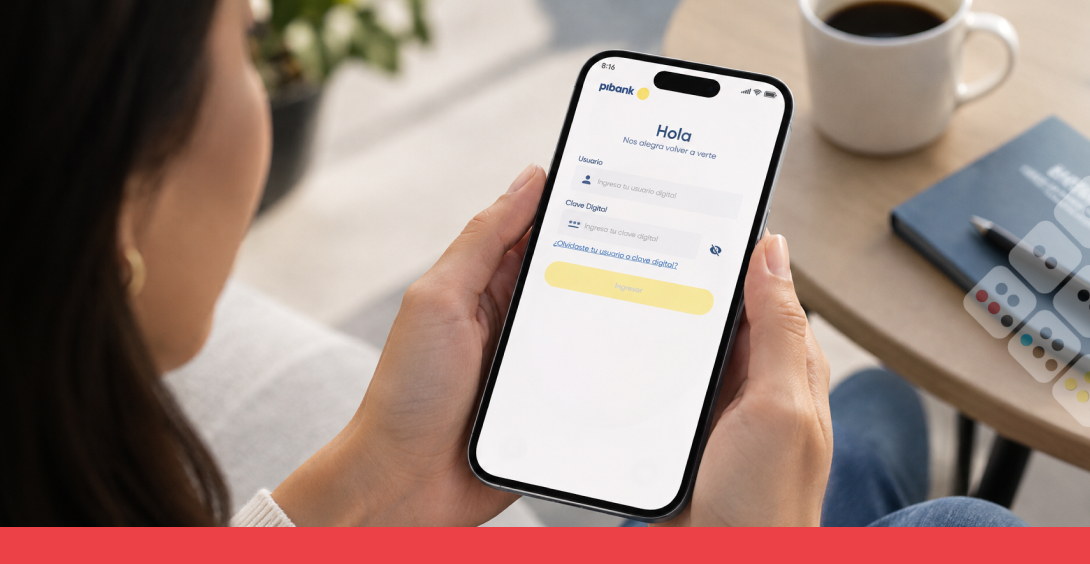
La entidad ingresa al mercado peruano con una cuenta de depósito para captar fondos y mejorar la colocación de otros activos del grupo, un modelo ya probado en Colombia, España y Estados Unidos. ... Leer más... La entrada Pibank Perú, la apuesta cross-sell interna del Banco Pichincha se publicó primero en IUPANA.
La entidad ingresa al mercado peruano con una cuenta de depósito para captar fondos y mejorar la colocación de otros activos del grupo, un modelo ya probado en Colombia, España y Estados Unidos. ... Leer más... La entrada Pibank Perú, la apuesta cross-sell interna del Banco Pichincha se publicó primero en IUPANA.
En contexto
- Tema: Banca y Fintech — Banca digital, pagos, open banking y regulación financiera.
- Fuente: iupana
- Publicado: 14/10/2026
Seguir leyendo en la fuente original →
Extracto publicado automáticamente por el radar del sitio. El texto completo pertenece a su medio y se enlaza arriba.
Why it matters
In payments, innovation always runs one step ahead of regulation and two steps ahead of the systems that have to support it. That gap is where the business is decided: whoever closes it without breaking compliance takes the market.
I separate what improves the customer's life from what improves the bank's margin. Sometimes they coincide, and those are the good projects. When they do not, it is worth saying so out loud in committee, because a project that only improves margin shows up in customer satisfaction sooner than people expect.
What usually goes wrong
The mistake that repeats is testing only the happy path. It gets validated that the transaction works, not that the reversal works, that duplicates are caught, that a power cut mid-operation leaves everything consistent. Those cases are ninety per cent of the real work and ten per cent of the testing.
What to watch
- What the local regulator requires and by when, because the deadline is usually the real constraint.
- How money is returned when something fails, and how fast the customer sees it.
- Which part of the customer relationship ends up with a third party and whether that is reversible.
How I read this entry
I would treat it as a conversation about partnerships rather than product. In this sector fewer and fewer institutions build everything, and the relevant decision is who you partner with and which part of the customer relationship you hand over. That handover is hard to reverse later.
The original story is published in another language; the excerpt is quoted as the publisher delivers it and the commentary is written in English.
Comments
No comments yet. Yours can be the first.
Living through this in your own team?
Open the chat and tell me how you're handling it. I'm interested in comparing notes.