Image One of the practical activities that Scrum Teams do is Estimation, which helps the team pick an appropriate amount of work for the Sprint based on their real capacity.One of the widely used estimation techniques is Planning Poker. Let’s see how to play Planning Poker.
Image One of the practical activities that Scrum Teams do is Estimation, which helps the team pick an appropriate amount of work for the Sprint based on their real capacity.One of the widely used estimation techniques is Planning Poker. Let’s see how to play Planning Poker.
Planning PokerWhen we estimate, we need to use some units for estimation. Here, units like Story Points, T-shirt Size, and Fruit Size come to life. So, you use Planning Poker to do estimation, and results will be based on one of those relative units.
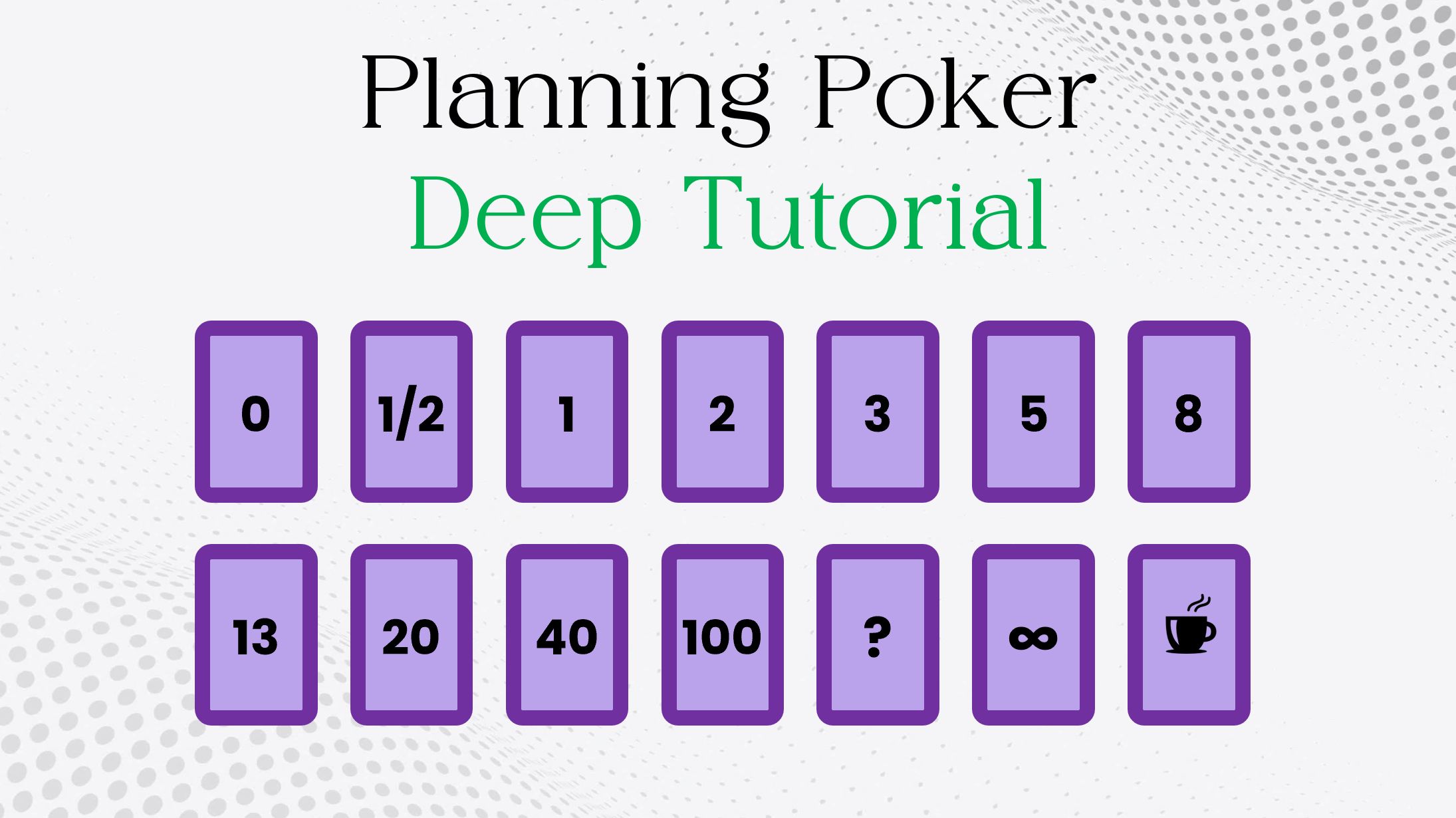
First of all, you need a deck of cards. The most famous deck of cards has numbers based on the modified Fibonacci sequence.
Fibonacci sequence says each element is the sum of the two previous elements, and as it gets bigger, the difference with the previous element gets bigger.
But when you go to the higher numbers, you don’t see the exact rule. For example
But the next element in Planning Poker is 20. Because of that, it is said it is based on the modified Fibonacci sequence.
In context
- Topic: Proyectos, PMO y Riesgos — Gestión de proyectos, oficinas de proyecto y riesgo del portafolio.
- Source: Scrum.org
- Published: 26/11/2026
Continue reading at the original source →
Excerpt published automatically by the site radar. The full text belongs to its publisher and is linked above.
Por qué importa
En gestión de proyectos casi todo lo que se discute como problema técnico es en realidad un problema de expectativas mal negociadas al principio. Alcance, plazo y costo se pactaron en un momento en que nadie tenía la información suficiente, y después nadie quiso reabrir la conversación.
Mi filtro es la calidad del reporte de estado. Si todos los proyectos están en verde, el sistema de información no sirve: en cualquier portafolio real hay iniciativas en problemas, y una organización sana las muestra a tiempo en vez de descubrirlas en el comité de cierre.
Lo que suele salir mal
Lo que más veo fallar es el patrocinador ausente. Firma el inicio, aparece en la foto y después no vuelve hasta que hay un problema. Sin alguien con poder real que despeje obstáculos cada quince días, el jefe de proyecto termina negociando de igual a igual con áreas que no le reportan, y pierde.
Qué mirar
- Cómo se estimó y qué tan cerca estuvieron las estimaciones anteriores de la misma organización.
- Quién es el patrocinador y con qué frecuencia real aparece — no en el organigrama, en la agenda.
- Si el reporte de estado muestra proyectos en rojo: un portafolio todo en verde es un portafolio sin información.
Cómo leo esta entrada
Si esto llegara a mi mesa, lo primero que pediría no es el avance porcentual: es la lista de decisiones pendientes con nombre y fecha. El porcentaje se puede maquillar; una decisión trabada hace tres semanas con un responsable identificado no se puede discutir, y explica el atraso mucho mejor.
La noticia original está publicada en otro idioma; acá se cita el extracto tal como lo entrega el medio y el comentario se escribe en español.
Comentarios
Todavía no hay comentarios. El primero puede ser el tuyo.
¿Lo estás viviendo en tu equipo?
Abrí el chat y contame cómo lo están manejando. Me interesa comparar notas.