
Image One of the practical activities that Scrum Teams do is Estimation, which helps the team pick an appropriate amount of work for the Sprint based on their real capacity.One of the widely used estimation techniques is Planning Poker. Let’s see how to play Planning Poker.
Image One of the practical activities that Scrum Teams do is Estimation, which helps the team pick an appropriate amount of work for the Sprint based on their real capacity.One of the widely used estimation techniques is Planning Poker. Let’s see how to play Planning Poker.
Planning PokerWhen we estimate, we need to use some units for estimation. Here, units like Story Points, T-shirt Size, and Fruit Size come to life. So, you use Planning Poker to do estimation, and results will be based on one of those relative units.
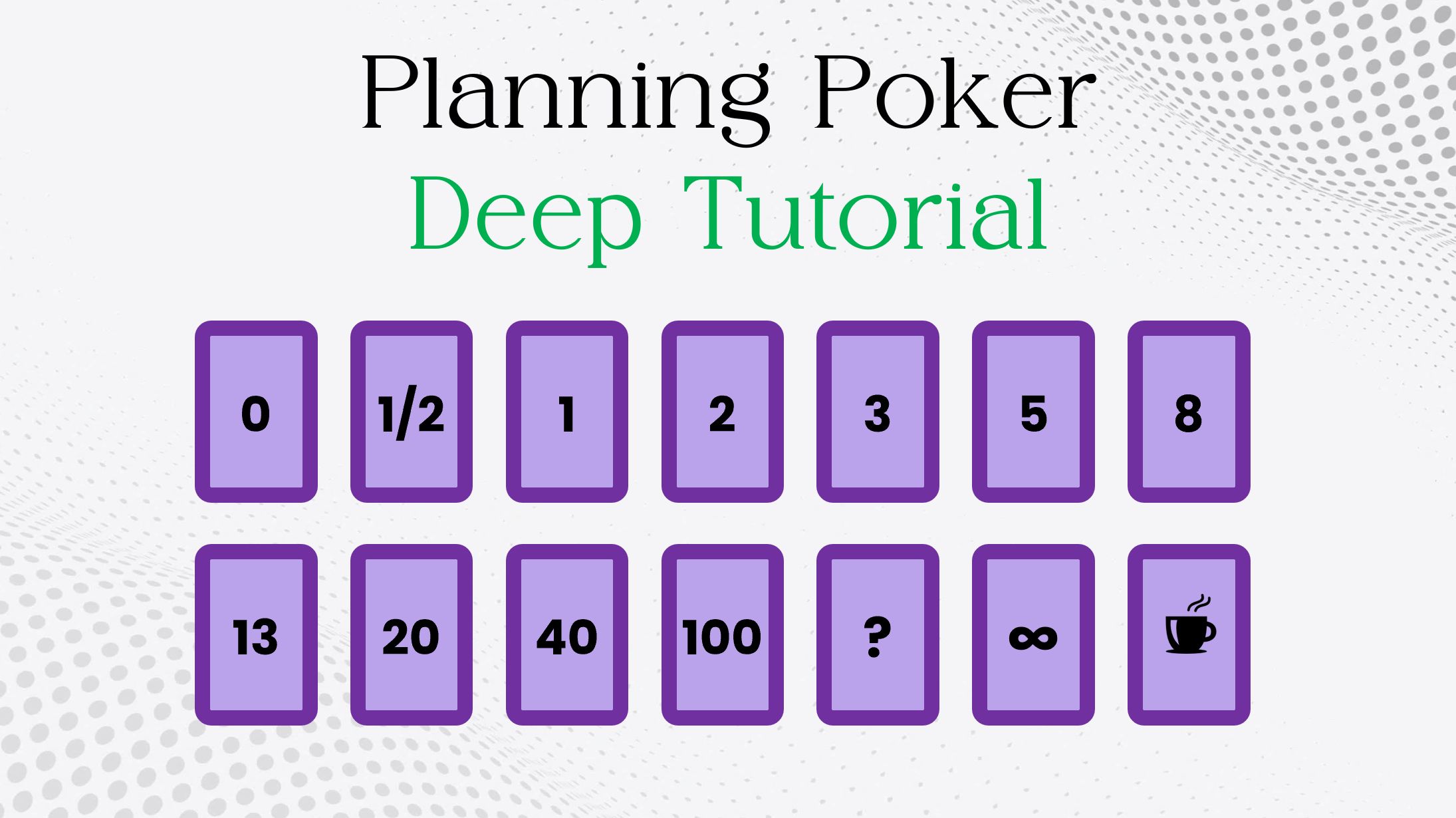
First of all, you need a deck of cards. The most famous deck of cards has numbers based on the modified Fibonacci sequence.
Fibonacci sequence says each element is the sum of the two previous elements, and as it gets bigger, the difference with the previous element gets bigger.
But when you go to the higher numbers, you don’t see the exact rule. For example
But the next element in Planning Poker is 20. Because of that, it is said it is based on the modified Fibonacci sequence.
In context
- Topic: Proyectos, PMO y Riesgos — Gestión de proyectos, oficinas de proyecto y riesgo del portafolio.
- Source: Scrum.org
- Published: 26/11/2026
Continue reading at the original source →
Excerpt published automatically by the site radar. The full text belongs to its publisher and is linked above.
Why it matters
In project management, nearly everything discussed as a technical problem is really a problem of expectations badly negotiated at the start. Scope, time and cost were agreed at a moment when nobody had enough information, and afterwards nobody wanted to reopen the conversation.
My filter is the quality of the status report. If every project is green, the reporting system is not working: in any real portfolio some initiatives are in trouble, and a healthy organisation surfaces them in time rather than discovering them at the closure committee.
What usually goes wrong
What I see fail most is the absent sponsor. They sign the kick-off, appear in the photo, and do not come back until there is a problem. Without somebody with real authority clearing obstacles every fortnight, the project manager ends up negotiating as an equal with areas that do not report to them, and loses.
What to watch
- How it was estimated and how close the same organisation's previous estimates turned out to be.
- Who the sponsor is and how often they actually show up — not on the org chart, in the calendar.
- Whether the status report shows any red projects: an all-green portfolio is a portfolio without information.
How I read this entry
If this landed on my desk, the first thing I would ask for is not percentage complete: it is the list of pending decisions with a name and a date. A percentage can be dressed up; a decision stuck for three weeks with an identified owner cannot be argued with, and it explains the delay far better.
This entry is an excerpt from the original source, selected by the site radar. The commentary above is the site's own and does not belong to the cited publisher.
Comments
No comments yet. Yours can be the first.
Living through this in your own team?
Open the chat and tell me how you're handling it. I'm interested in comparing notes.


