
WDC Networks adquire 100% da distribuidora Teki e amplia portfólio de cibersegurança
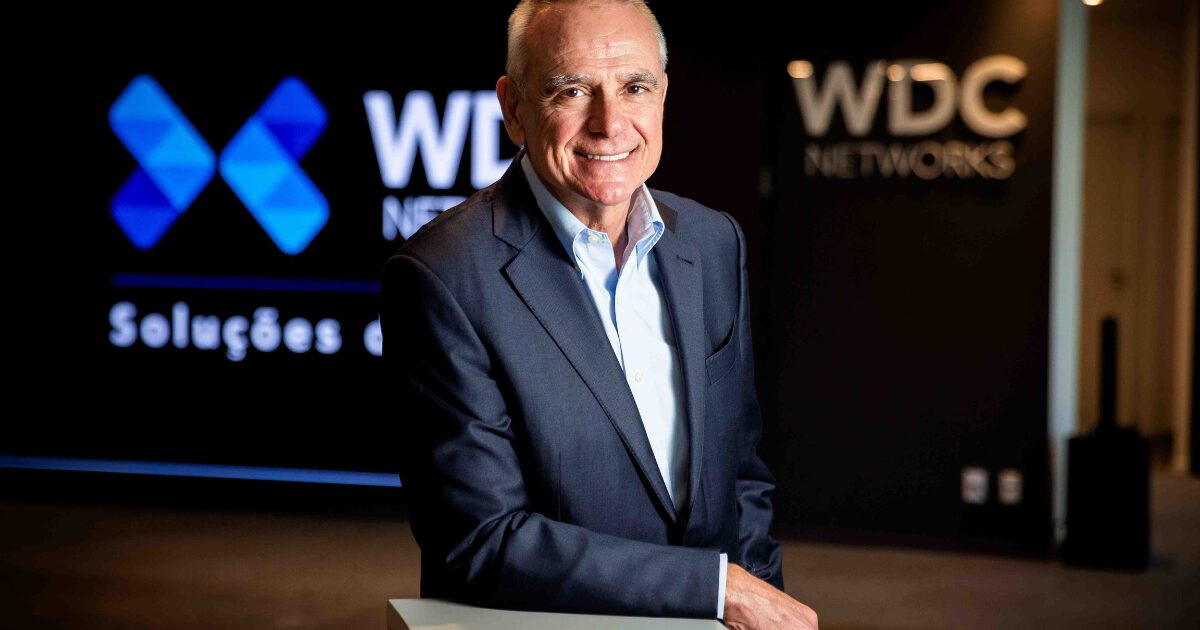
A WDC Networks (B3: WDCN3) anunciou nesta segunda-feira (14) a aquisição de 100% da Teki, distribuidora de tecnologia especializada em cibersegurança. A transação foi aprovada na semana passada e deve gerar resultados já em setembro de 2026, com a incorporação imediata das marcas representadas pela Teki ao portfólio da…
A WDC Networks (B3: WDCN3) anunciou nesta segunda-feira (14) a aquisição de 100% da Teki, distribuidora de tecnologia especializada em cibersegurança. A transação foi aprovada na semana passada e deve gerar resultados já em setembro de 2026, com a incorporação imediata das marcas representadas pela Teki ao portfólio da…
Em contexto
- Tema: Proyectos, PMO y Riesgos — Gestión de proyectos, oficinas de proyecto y riesgo del portafolio.
- Fonte: IT Forum
- Publicado: 14/09/2026
Continuar lendo na fonte original →
Trecho publicado automaticamente pelo radar do site. O texto completo pertence ao veículo e está vinculado acima.
Why it matters
A project management office is worth the decisions it makes possible, not the reports it produces. Once the PMO becomes the function chasing status updates, it has already lost: the team learns to fill in the template and the real information goes back to travelling through the corridors.
I read these things looking for where the risk sat before it became an incident. It was almost always already written in some register nobody reviewed, with an assigned owner who never found out they were one. A risk identified and not managed is worse than one never identified: it creates the false sense that there is control.
What usually goes wrong
What I see fail most is the absent sponsor. They sign the kick-off, appear in the photo, and do not come back until there is a problem. Without somebody with real authority clearing obstacles every fortnight, the project manager ends up negotiating as an equal with areas that do not report to them, and loses.
What to watch
- Who the sponsor is and how often they actually show up — not on the org chart, in the calendar.
- Whether the status report shows any red projects: an all-green portfolio is a portfolio without information.
- Which risks are identified, who owns each one, and when they were last reviewed.
How I read this entry
The way I would bring this down to earth is by shrinking the size of the deliveries. An eighteen-month project with nothing visible before month twelve is a bet, not a plan. I would rather have six deliveries that stand on their own, even if the total takes a little longer, because each one corrects the course.
The original story is published in another language; the excerpt is quoted as the publisher delivers it and the commentary is written in English.
Comments
No comments yet. Yours can be the first.
Living through this in your own team?
Open the chat and tell me how you're handling it. I'm interested in comparing notes.


